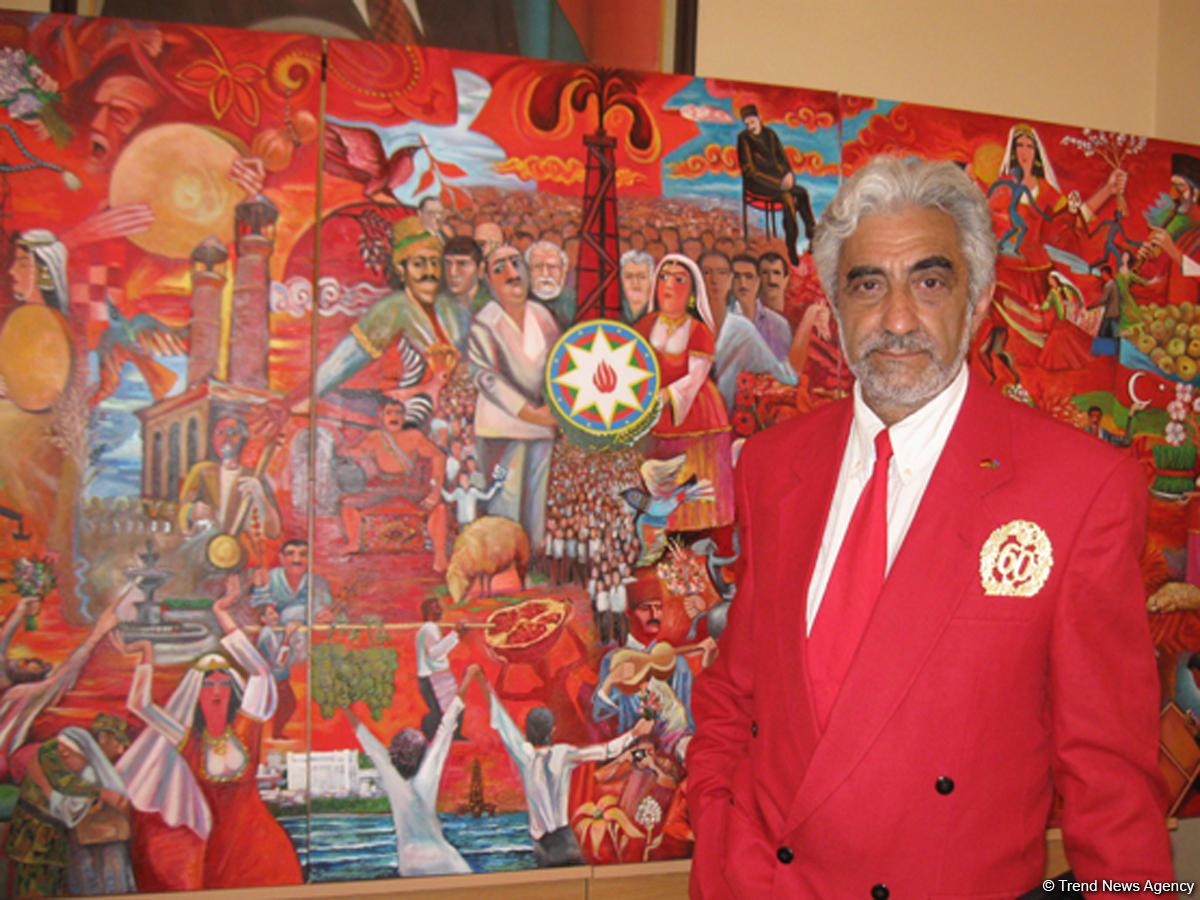
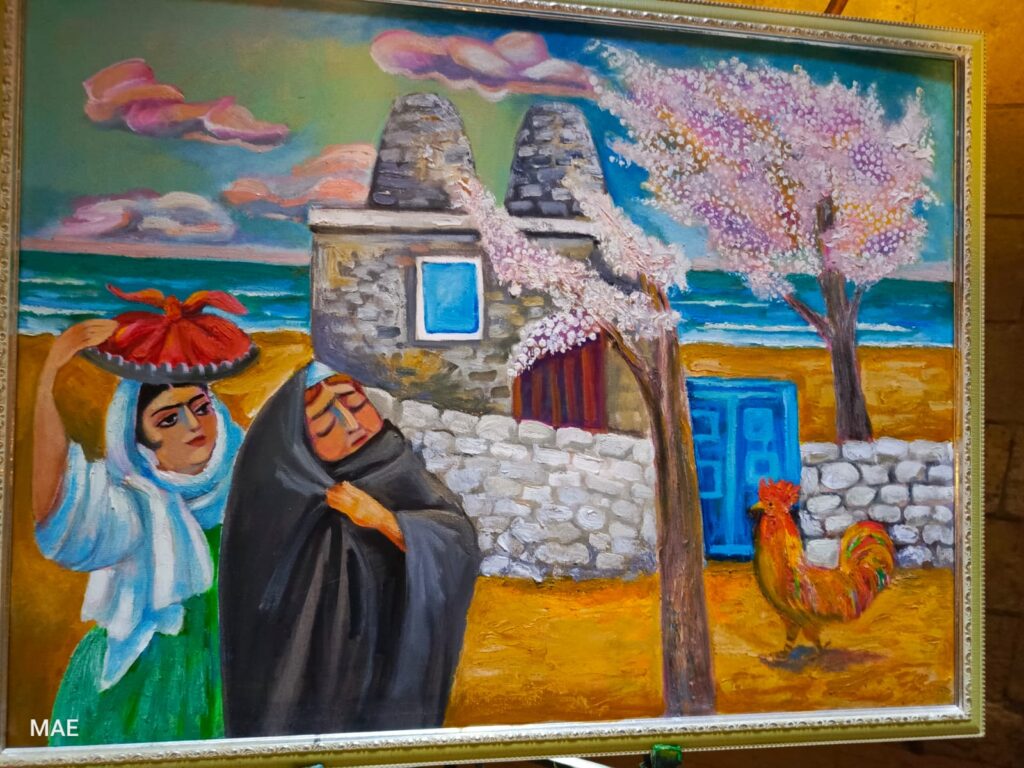
Azərbaycanın Xalq rəssamı Əşrəf Heybətov – Azərbaycan mədəniyyətinin fəxri, yaradıcılığı ilə ənənəvi çərçivələri aşaraq dünya mədəniyyət dialoqunun ayrılmaz hissəsinə çevrilən bir sənətkardır. UNESCO Beynəlxalq Rəssamlar Federasiyasının, Rusiya Rəssamlar İttifaqının və Almaniya Rəssamlar Birliyinin üzvü, “Dünya Xalqlarının İncəsənəti” beynəlxalq assosiasiyasının laureatı, BMT-nin “Sülh səfiri” titullu rəssam öz əsərlərini dünyanın ən nüfuzlu məkanlarında – Cenevrədə BMT-nin Millətlər Sarayında, Strasburqda Avropa Şurasında, İordaniya kral sarayında və Brüsseldə NATO qərargahında yüksək səviyyəli sərgilərdə nümayış edib. Bu gün Bakıda yerləşən şəxsi ev-muzeyi nadir eksponatların, incəsənət nümunələrinin və rəssamın öz rəsm işlərinin toplandığı, uzun illərin sənət yolunun canlı şahidinə çevrilmiş unikal bir məkandır.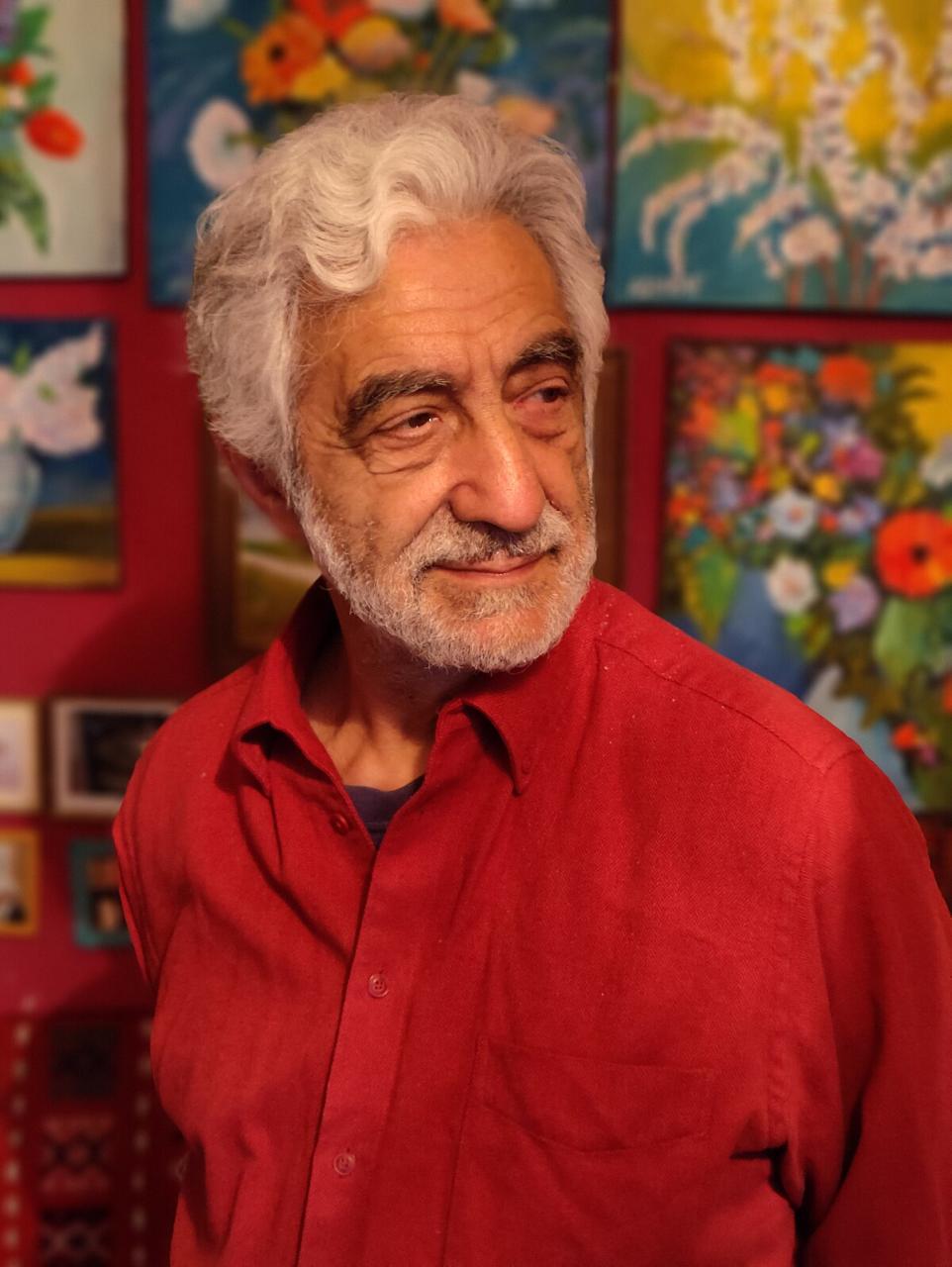 — Əşrəf müəllim, “Fortuna” jurnalına xoş gəlmisiniz! Siz uzun yaradıcılıq yolunuz var, əsərləriniz bir çox ölkələrdə nümayiş olunub, Almaniyada yaşayırsınız və böyük kolleksiyalarınız var. Hazırda Bakıda şəxsi ev-muzeyiniz fəaliyyət göstərir. Bu barədə daha ətraflı danışa bilərsinizmi?— Çox təşəkkür edirəm! Burada təqdim olunan hər şey bir-iki ilə deyil, bütün ömrüm boyu toplanıb. Mən 1995-ci ildən başlayaraq təxminən otuz il Almaniyada yaşamışam. Cənab Prezidentimiz İlham Əliyevə Bakıda mənə mənzil verdiyi üçün dərin minnətdarlığımı bildirirəm – bu, qəlbimdə daim qoruyacağım bir hədiyyədir.
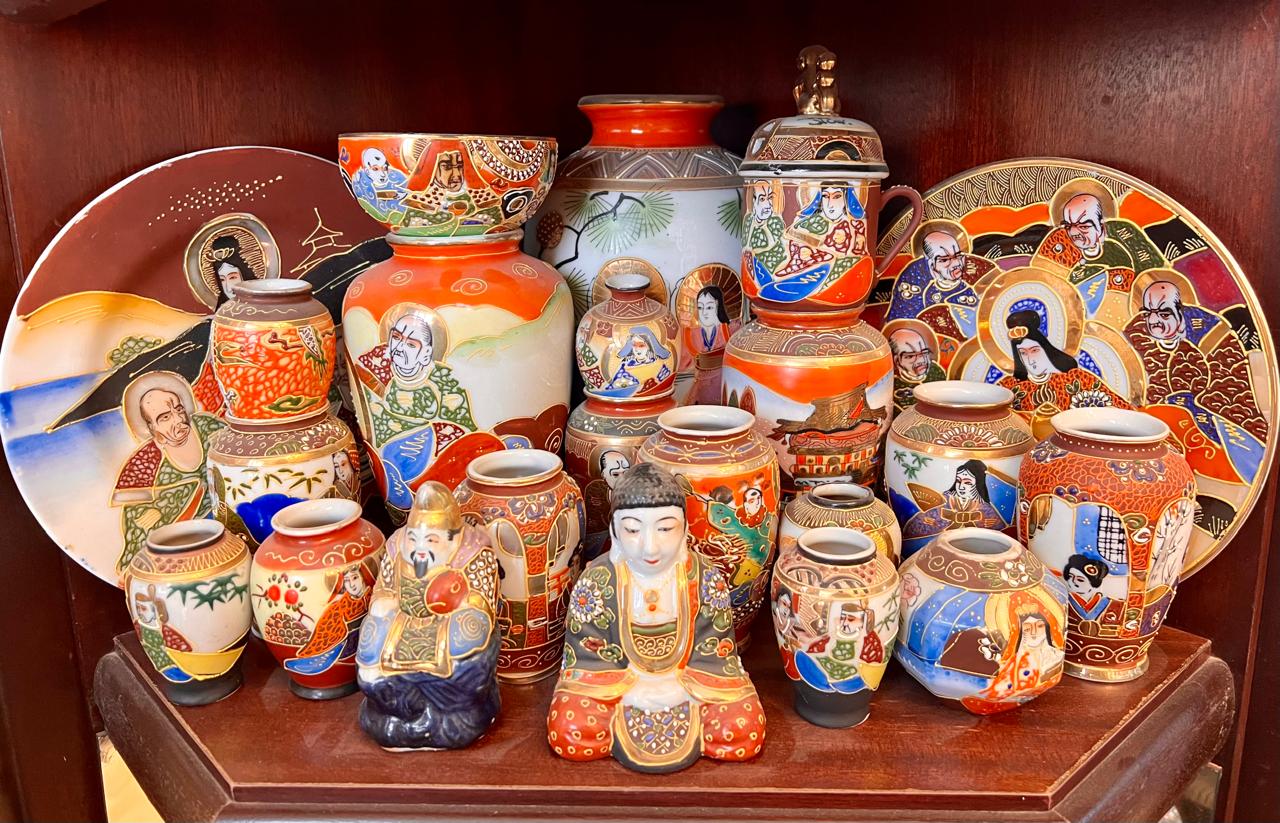
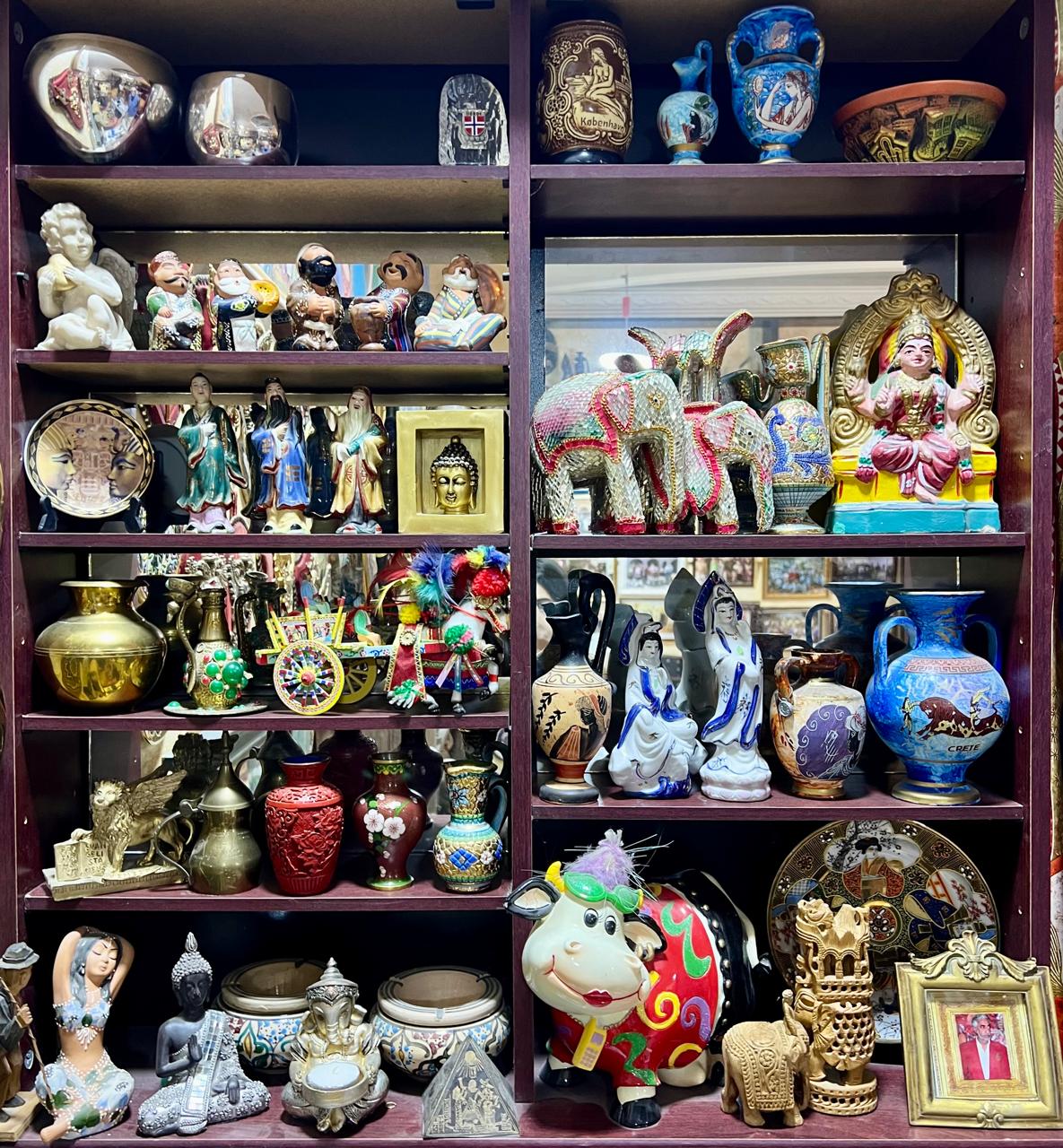
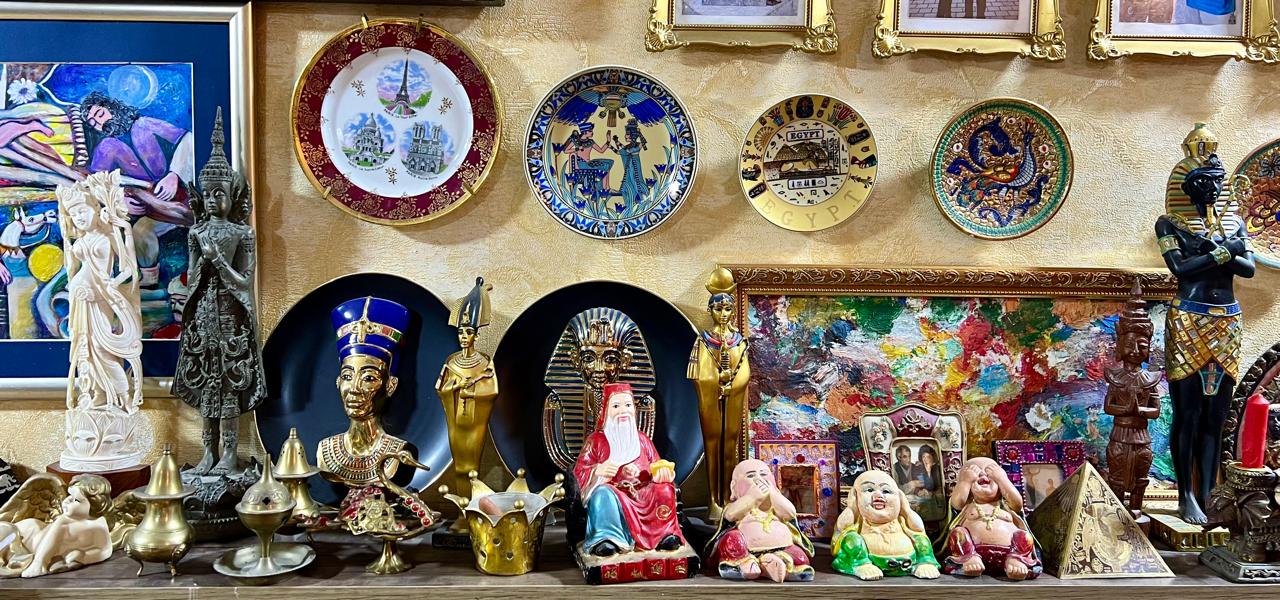
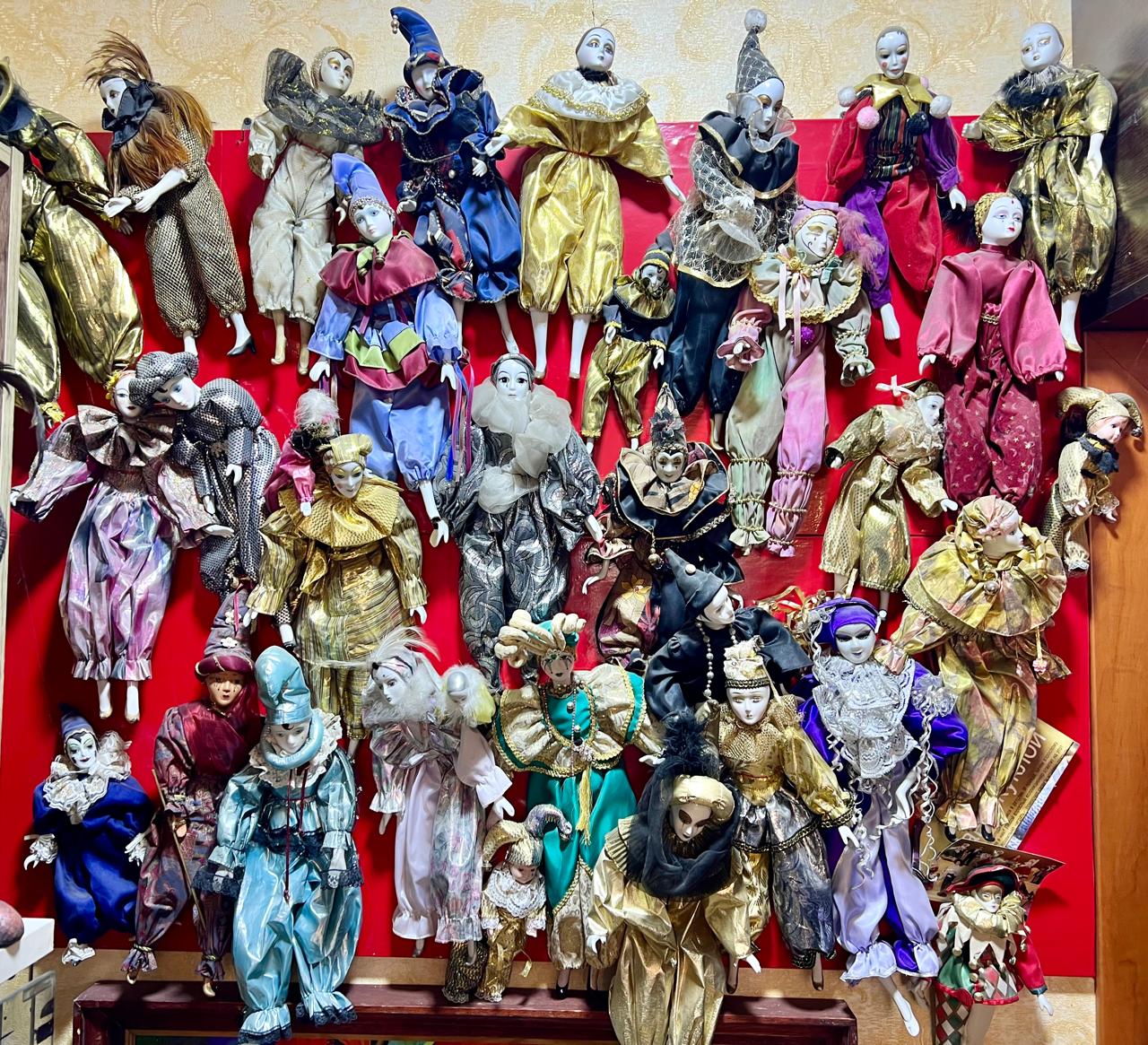
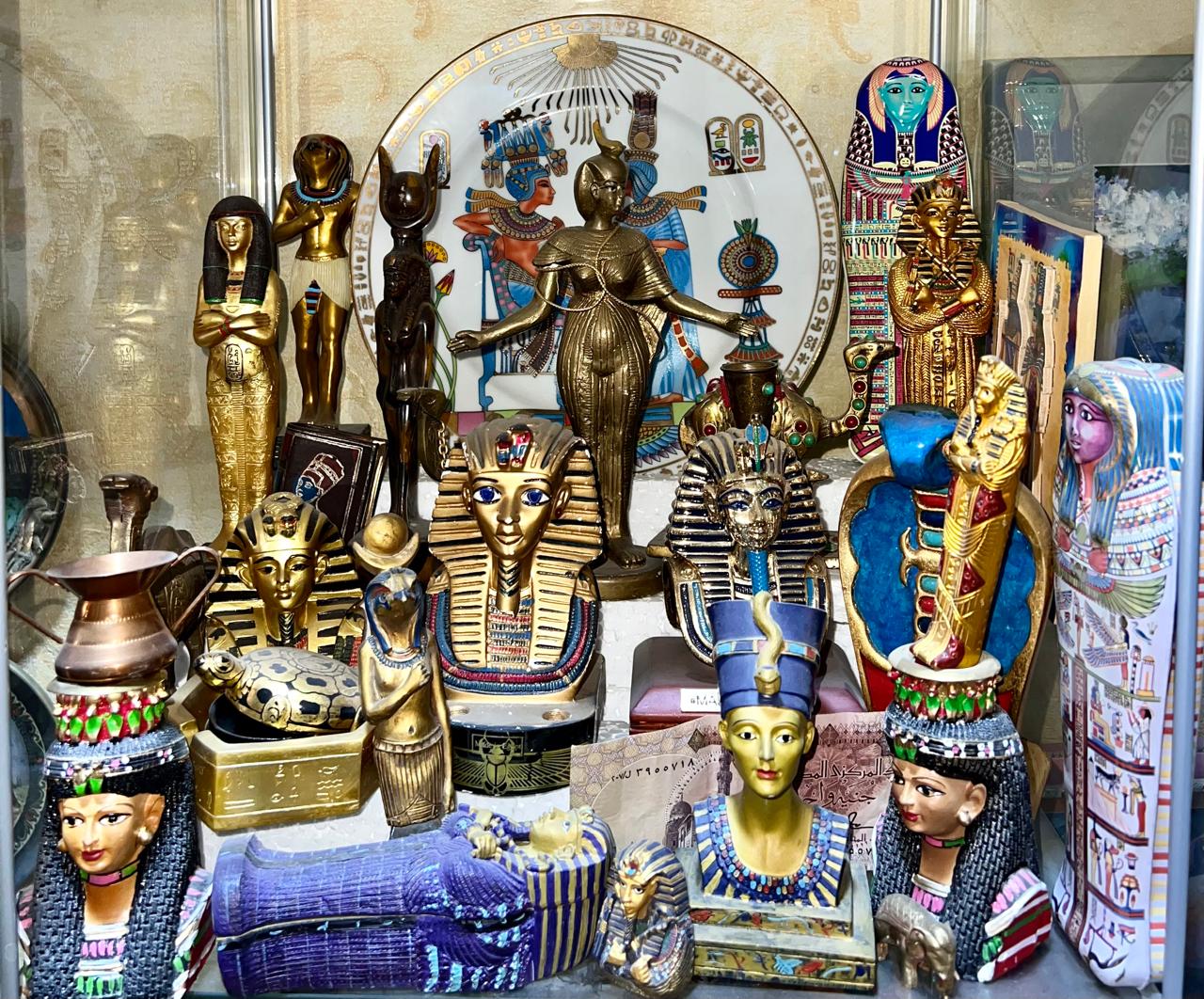
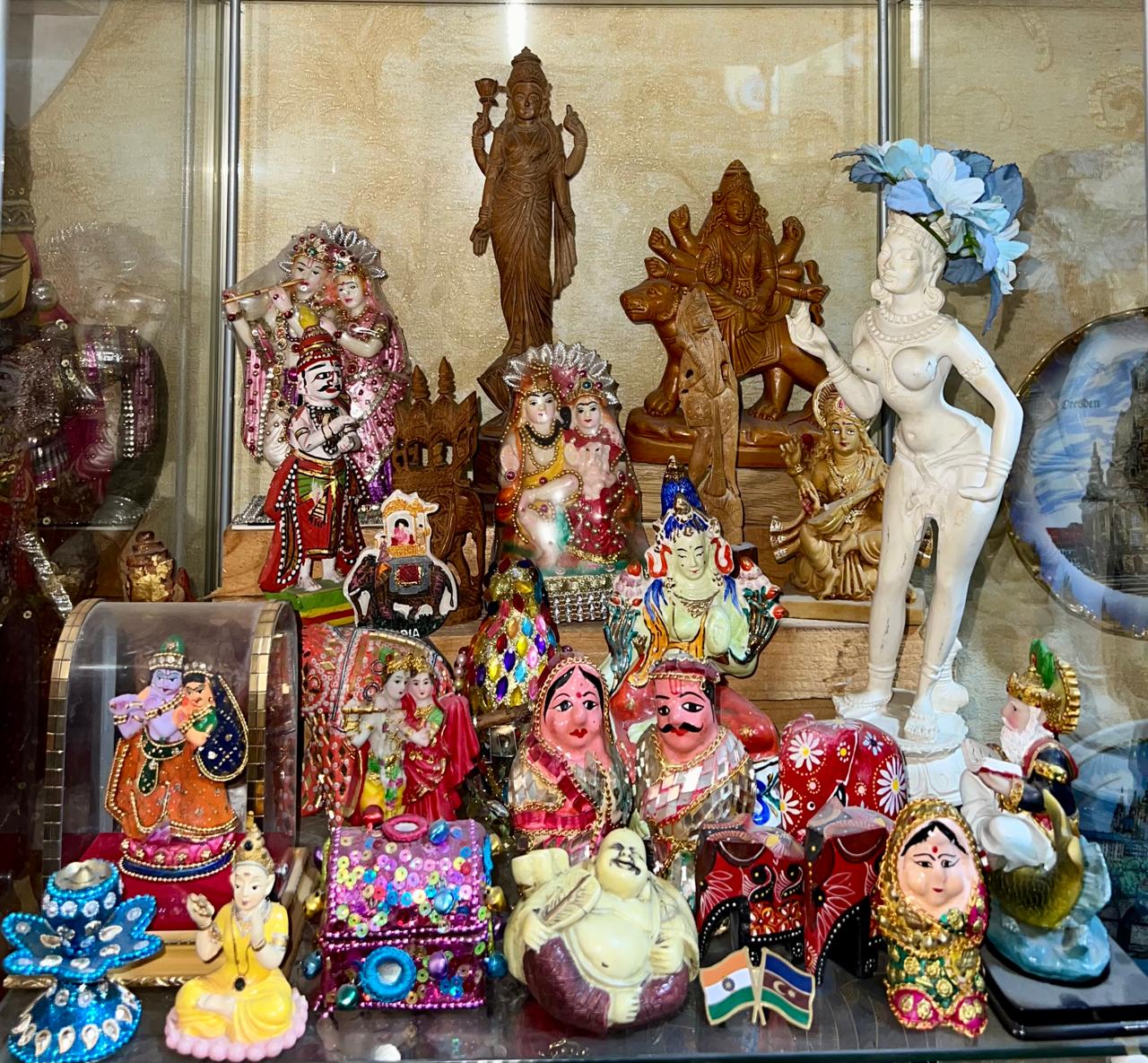
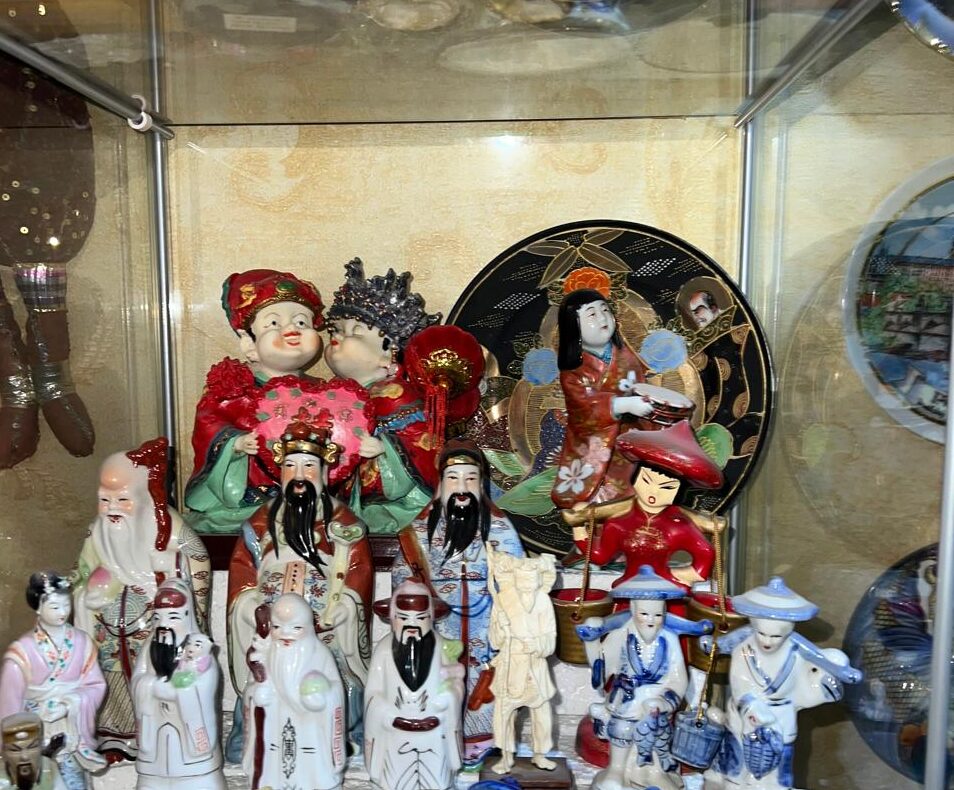
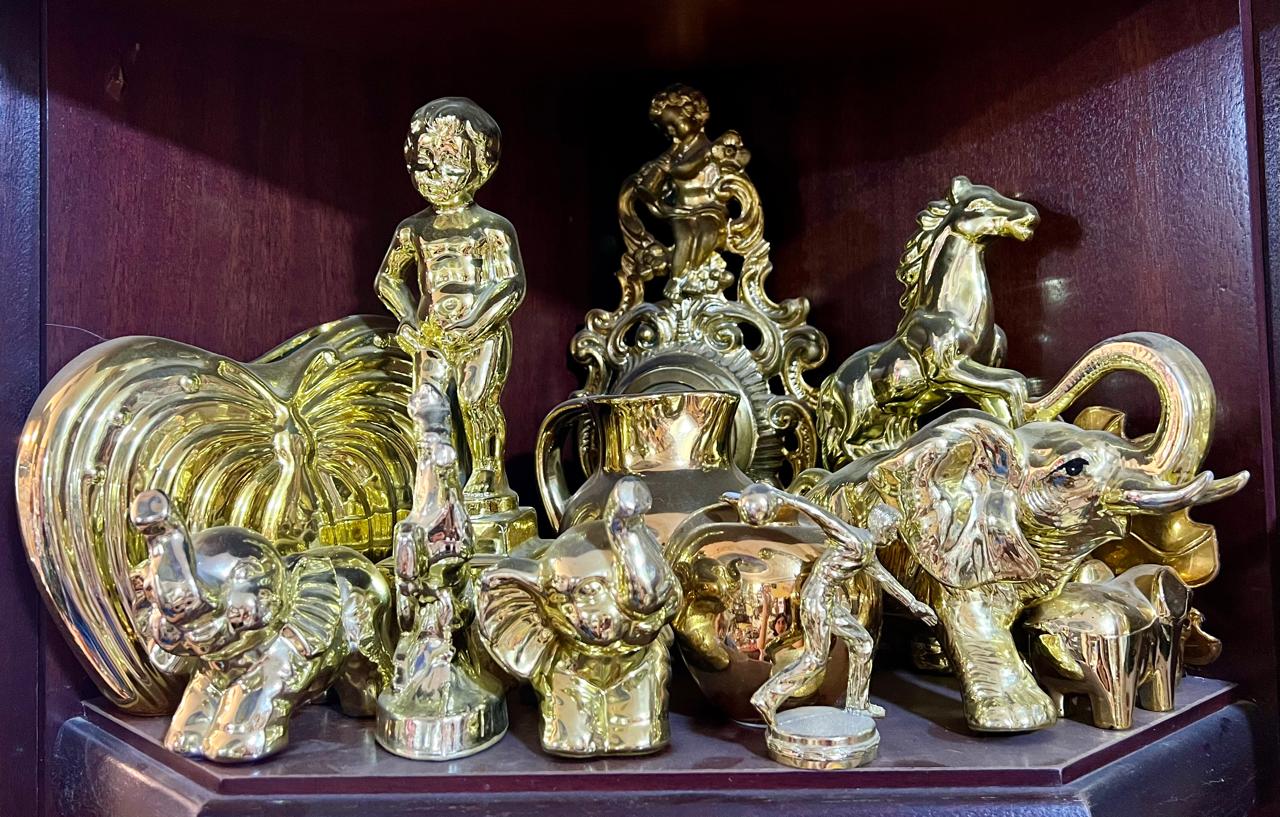
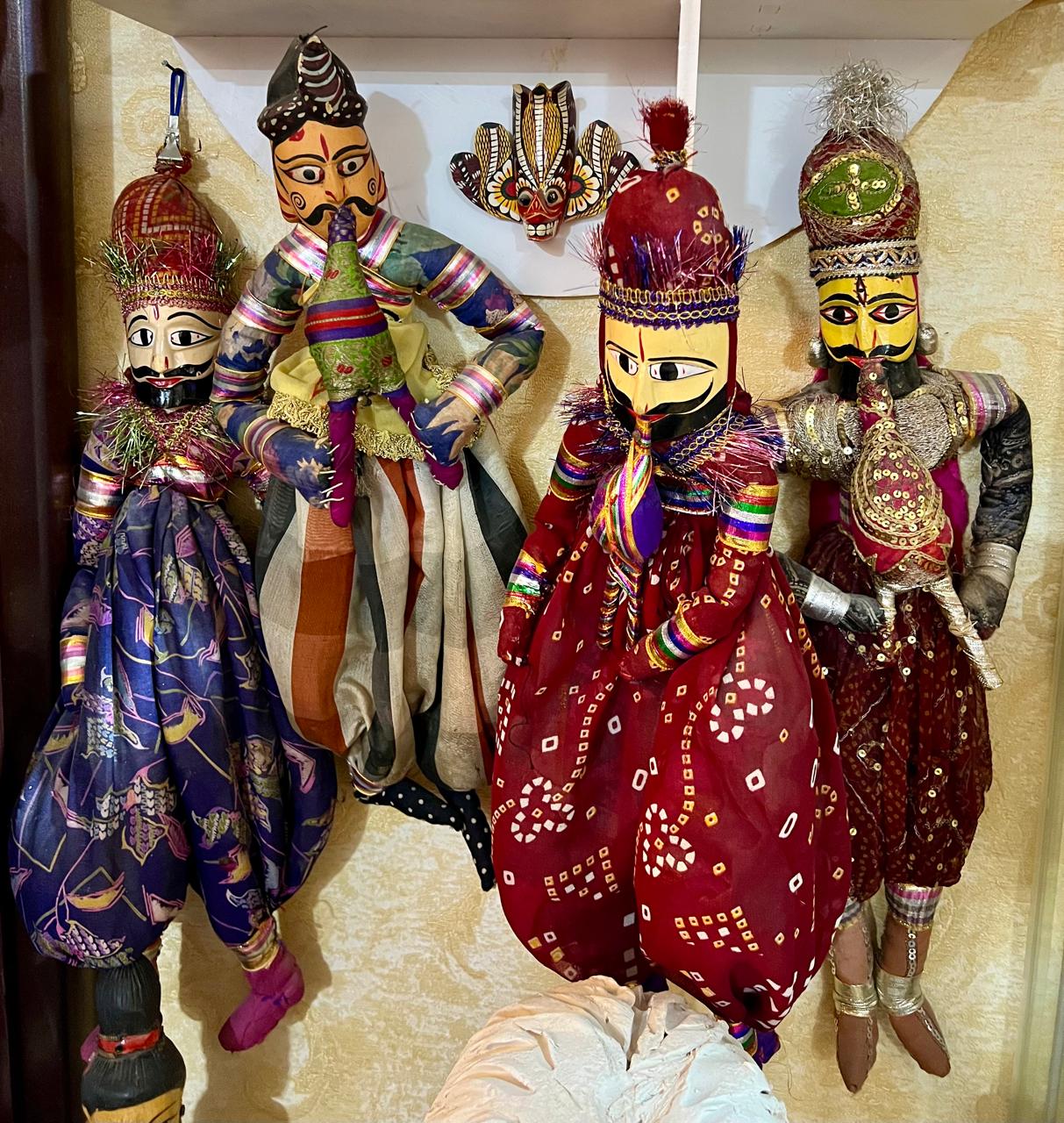
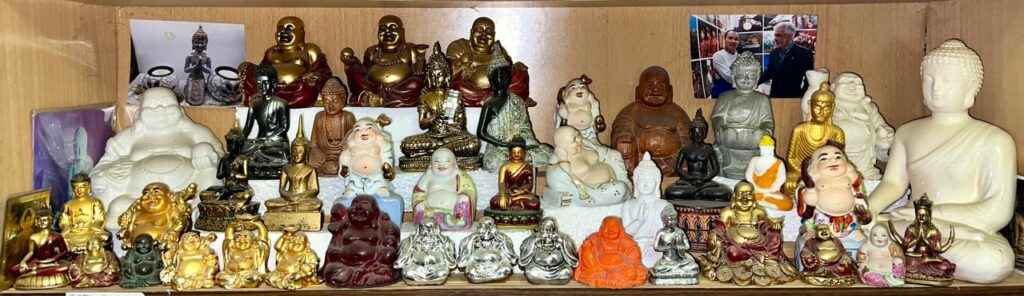
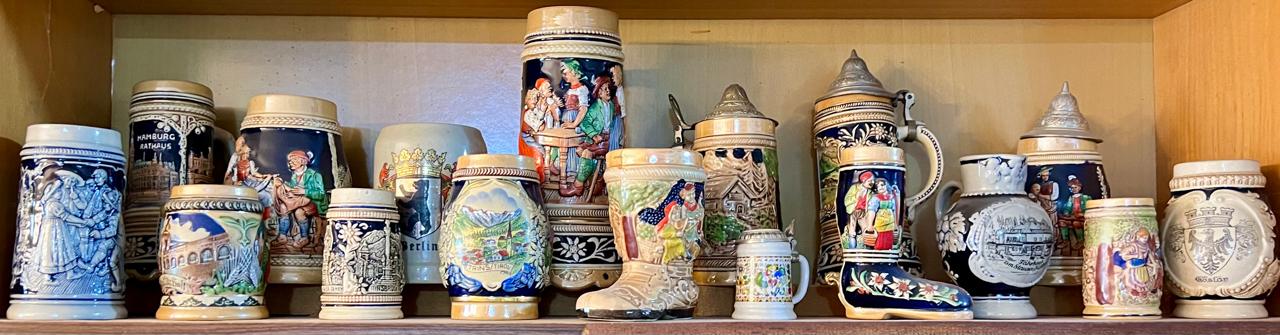
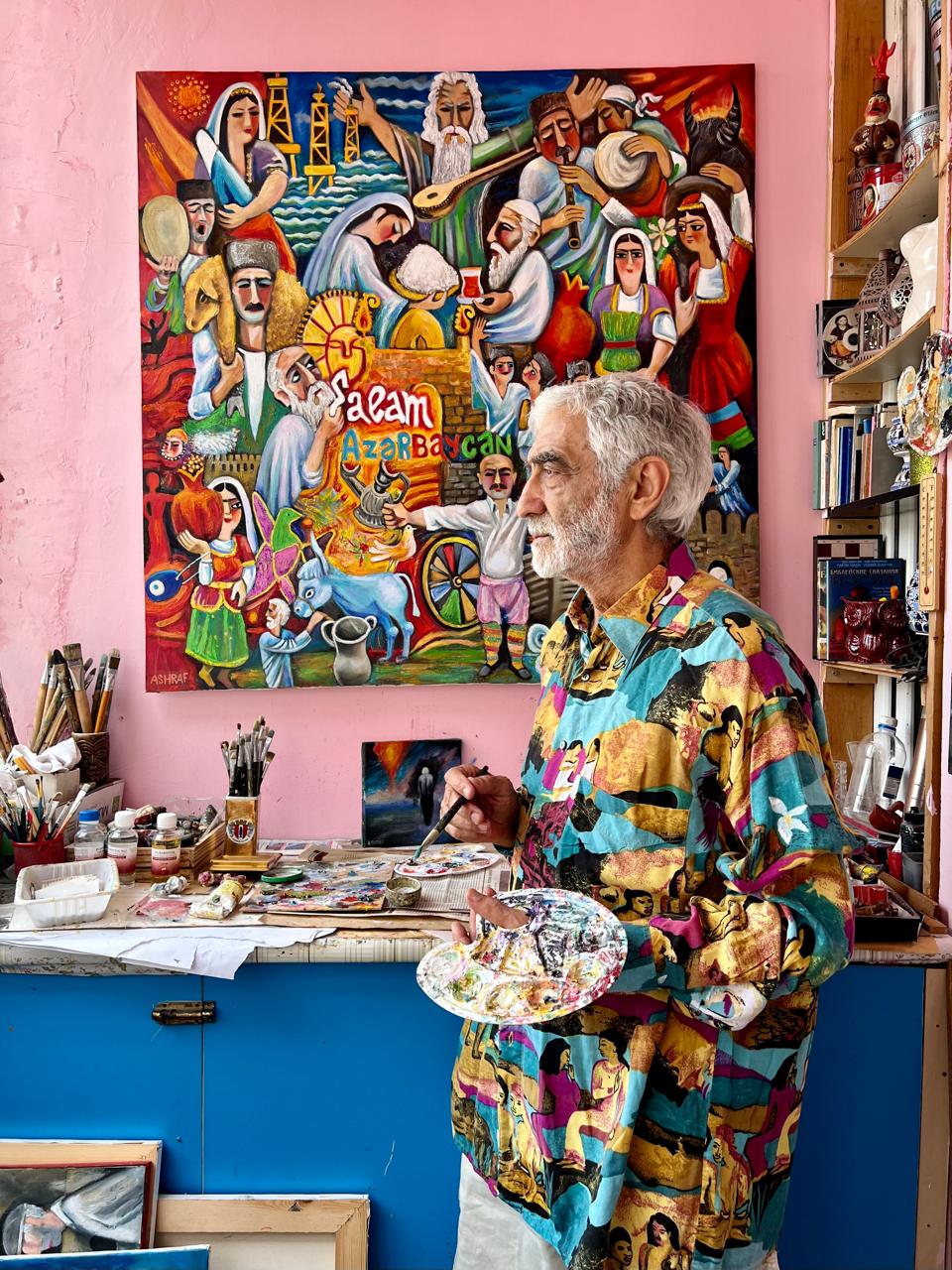 Müxtəlif ölkələrdə yaşayarkən heç vaxt qiymətli əşyalar toplamaq arzusunda olmamışam. Mənim marağım həmişə estetik dəyəri olan əşyalara yönəlmişdi: vazalar, fiqurlar, keramika. Rəsm əsərlərimdən qazandığım gəlirin bir qismini belə eksponatların alınmasına yönəldirdim. Beləliklə, zəngin bir kolleksiya formalaşdı: İtaliya, Hindistan, Misir, Yunanıstan (yalnız Yunanıstandan on səkkiz ədəd qab), Çin keramikası, yapon qabları, Afrika fiqurları. Bir çox əşyalar mənə hədiyyə edilib, hətta heç vaxt getmədiyim bölgələrdən də. Xüsusilə, altmış-yetmiş ədədlik kukla kolleksiyam var, bir hissəsi Berlində saxlanılır. Böyük fəxrim “Arlekinlərdir” – İtaliyanın milli keramika və farfor kuklaları. Zaman keçdikcə bu kolleksiya sadəcə böyümədi, müxtəlif mədəniyyətlərin bütöv bir dünyasına çevrildi.
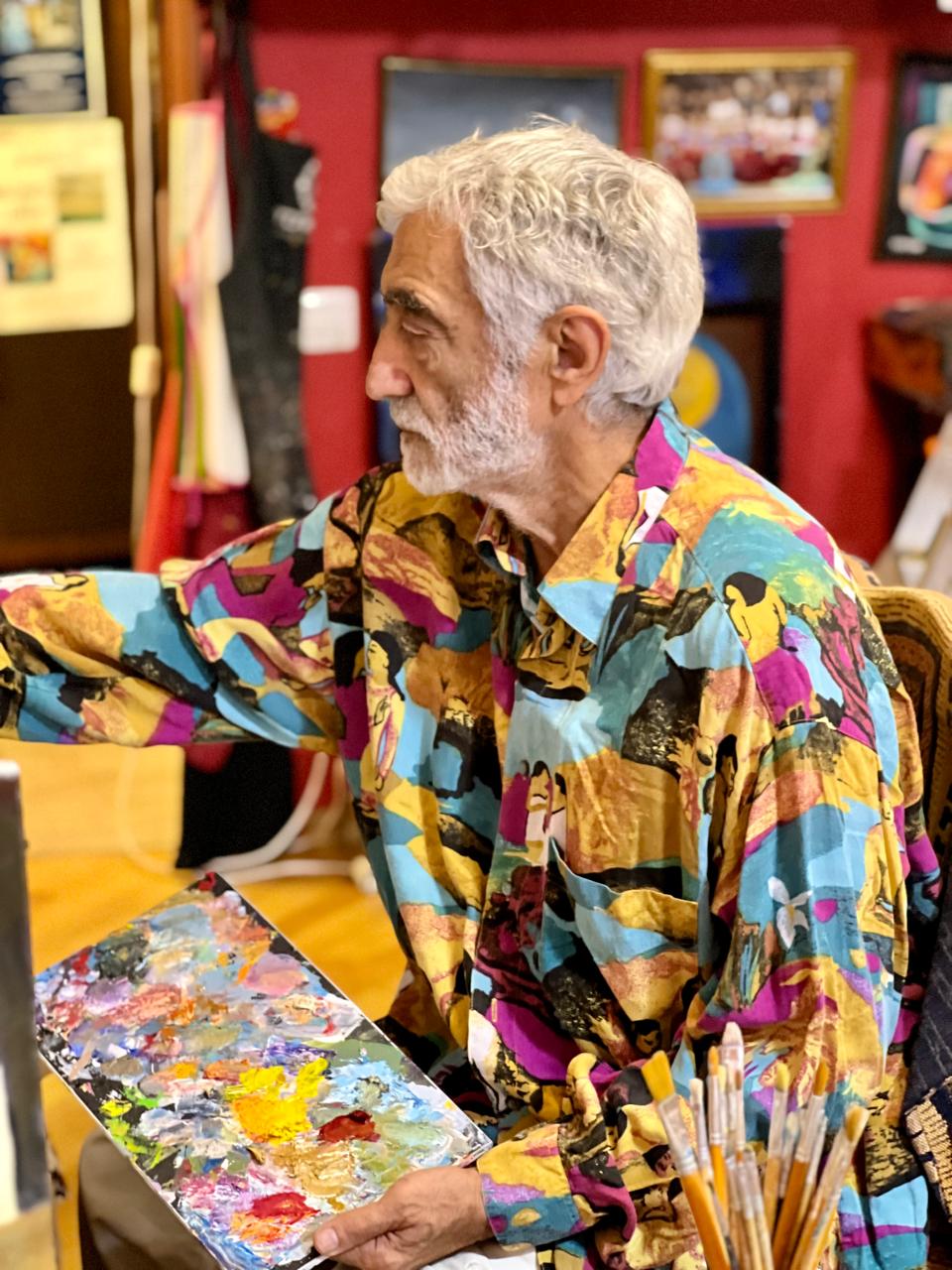 Evimə gələn qonaqlar tez-tez deyirlər: “Bu, əsl muzeydir, Azərbaycanda belə bir yer yoxdur”. Doğrudan da, hər dəfə Bakıya dönəndə yeni eksponatlar gətirməyə çalışıram, bəzən bütöv çamadanlarla. Burada olan hər kəs güclü təəssüratla ayrılır.
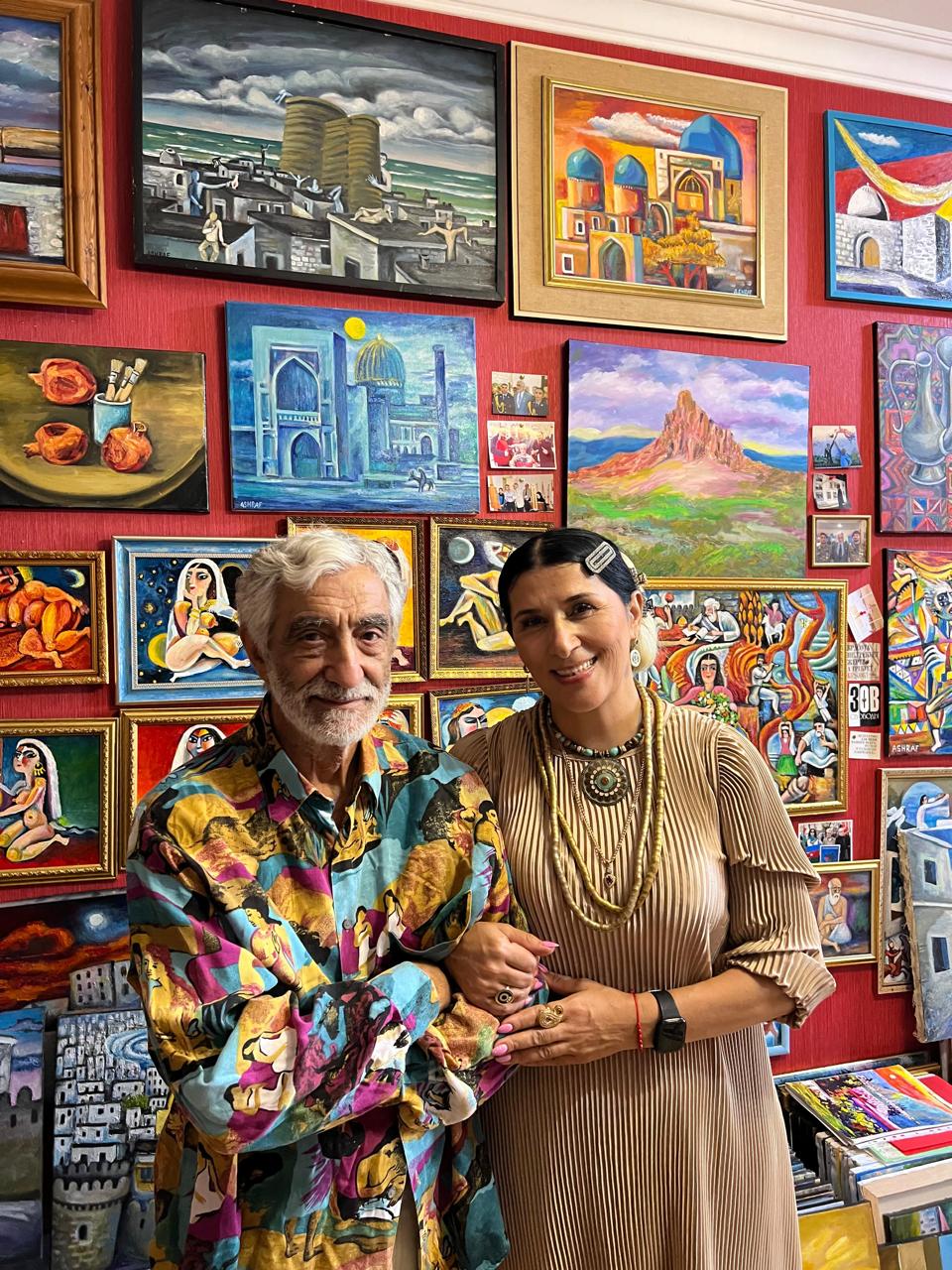 Məhz buna görə qərara gəldim ki, bu kolleksiya tək yaxınlarıma və dostlarıma xidmət etməsin. Gələcəkdə onu dövlətə hədiyyə etmək, Dünya Mədəniyyəti Muzeyini və rəssam qalereyasını yaratmaq istəyirəm. Mənim minlərlə əsərim var.
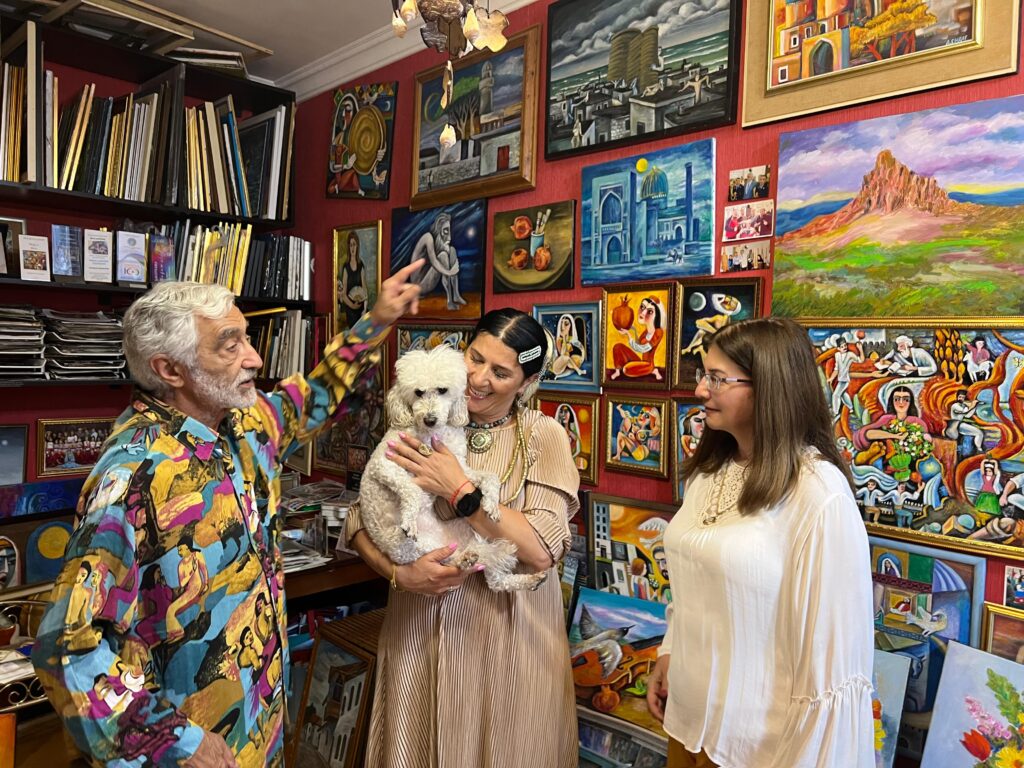 Bu mənim üçün sadəcə “arzu” deyil, konkret plandır. İnanıram ki, belə bir muzey ölkənin mədəni irsinin bir hissəsinə və sakinlər, turistlər üçün yeni bir maraqlı məkana çevriləcək. Azərbaycanda artıq nümunələr var – məsələn, Tahir Salahov kolleksiyasını dövlətə bağışlamışdı. Uyğun məkan təqdim olunarsa, mən də bu addımı atmağa hazıram.
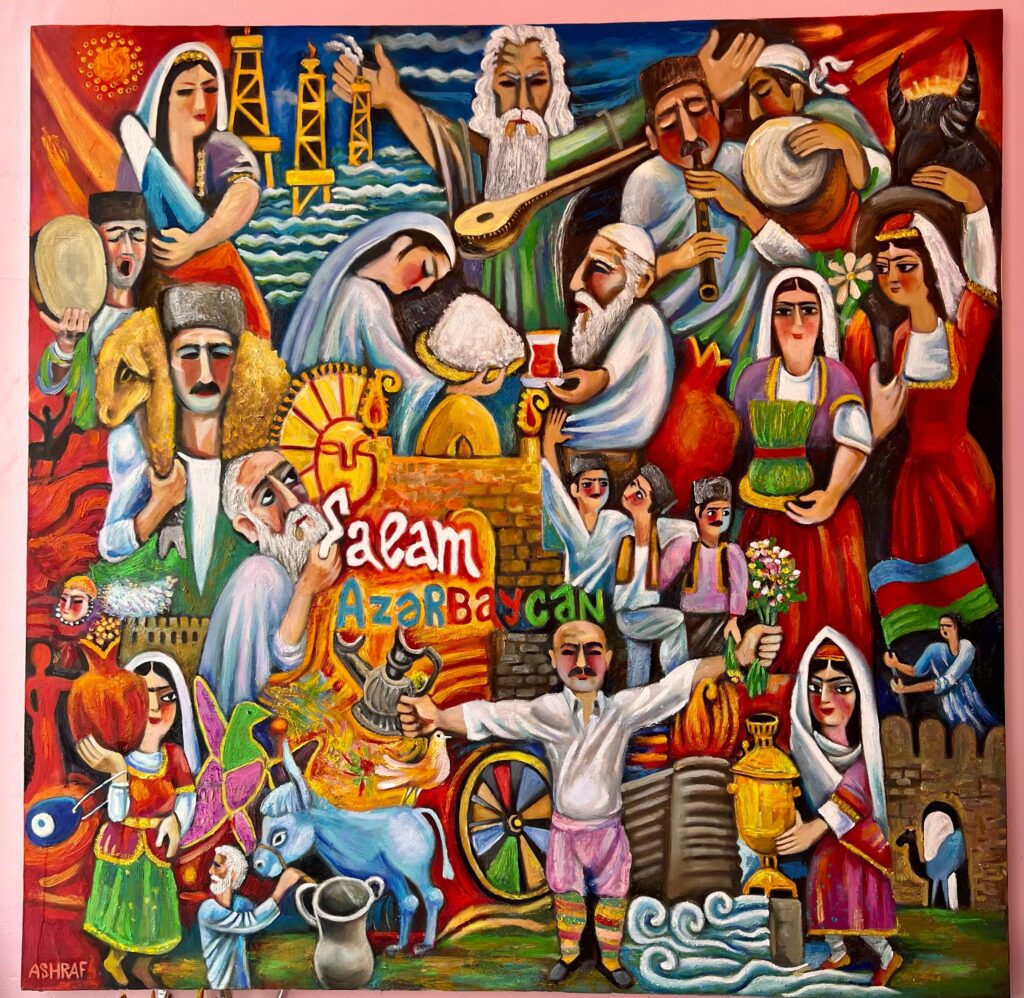 — Əşrəf müəllim, fəaliyyətiniz çox zəngin və məhsuldardır. Azərbaycan mədəniyyətinin Almaniyada və digər ölkələrdə təbliği üçün gördüyünüz işlərdən danışa bilərsinizmi?— 1998-ci ildə ümummilli lider Heydər Əliyevin Almaniyaya ilk rəsmi səfəri oldu. Həmin səfər çərçivəsində Almaniya prezidentinin iqamətgahında diaspor nümayəndələri ilə görüş keçirildi. Heydər Əliyevə məni tanıdan isə jurnalist Elmira Axundova oldu. Qısa söhbətdən sonra Heydər Əliyev gedərkən mənə dedi: “Azərbaycanı unutmayın”. Mən cavab verdim: “Mütləq”.
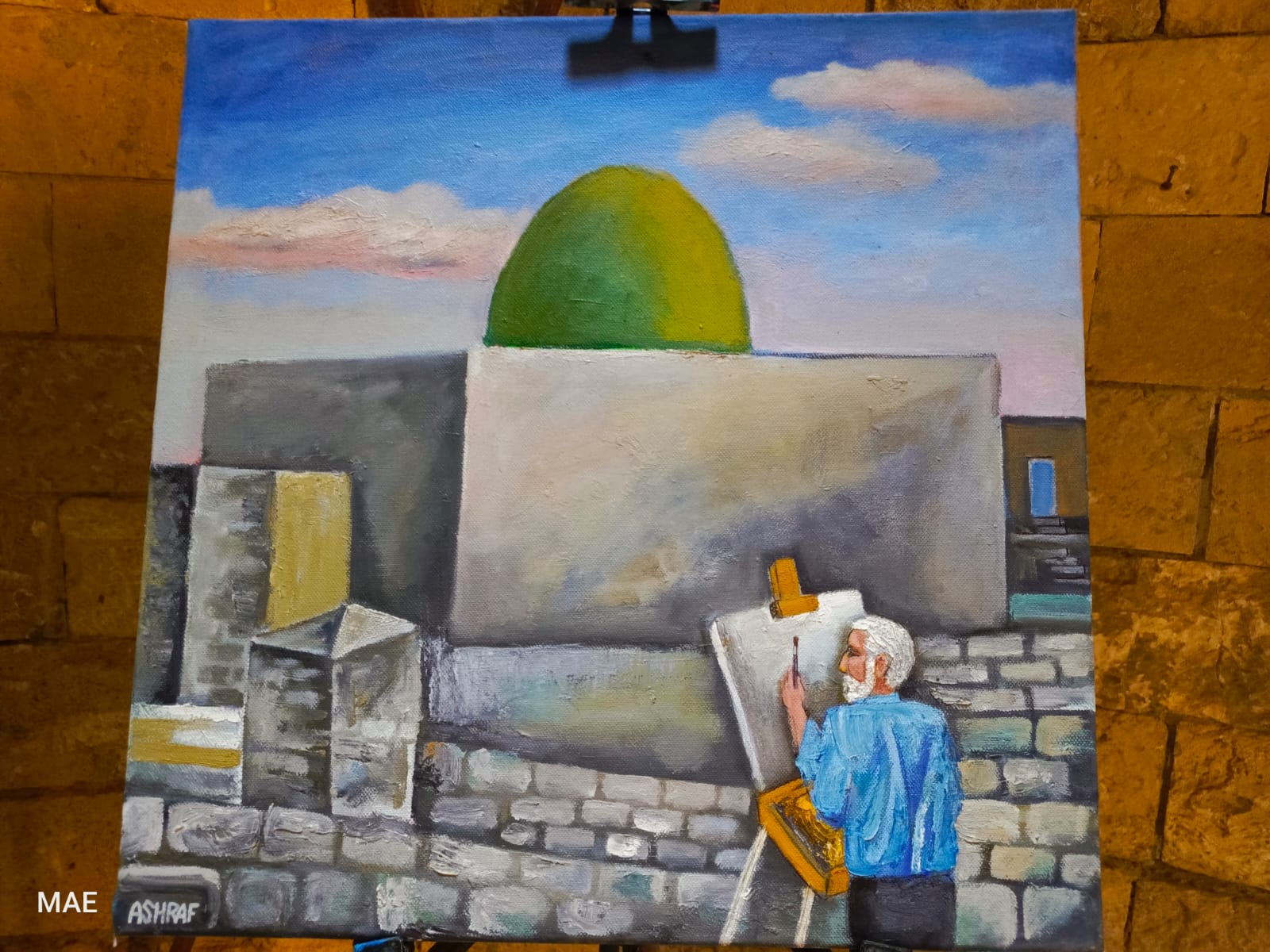 Artıq 1999-cu ildə Almaniyanın Koblenz şəhərində Azərbaycanlılar Cəmiyyətini yaratdım. Əlli nəfərdən çox soydaşımızın iştirak etdiyi təsis yığıncağında səfir Hüseyn-Ağa Sadıqov da iştirak etdi və biz bu cəmiyyəti rəsmi şəkildə qeydiyyatdan keçirdik. Mənim bir rəssam kimi missiyam ölkəmi əsərlərim vasitəsilə təmsil etmək və Azərbaycanın mədəniyyətini göstərməkdir. Hər zaman özümü “Azərbaycan rəssamı” kimi təqdim etmişəm.
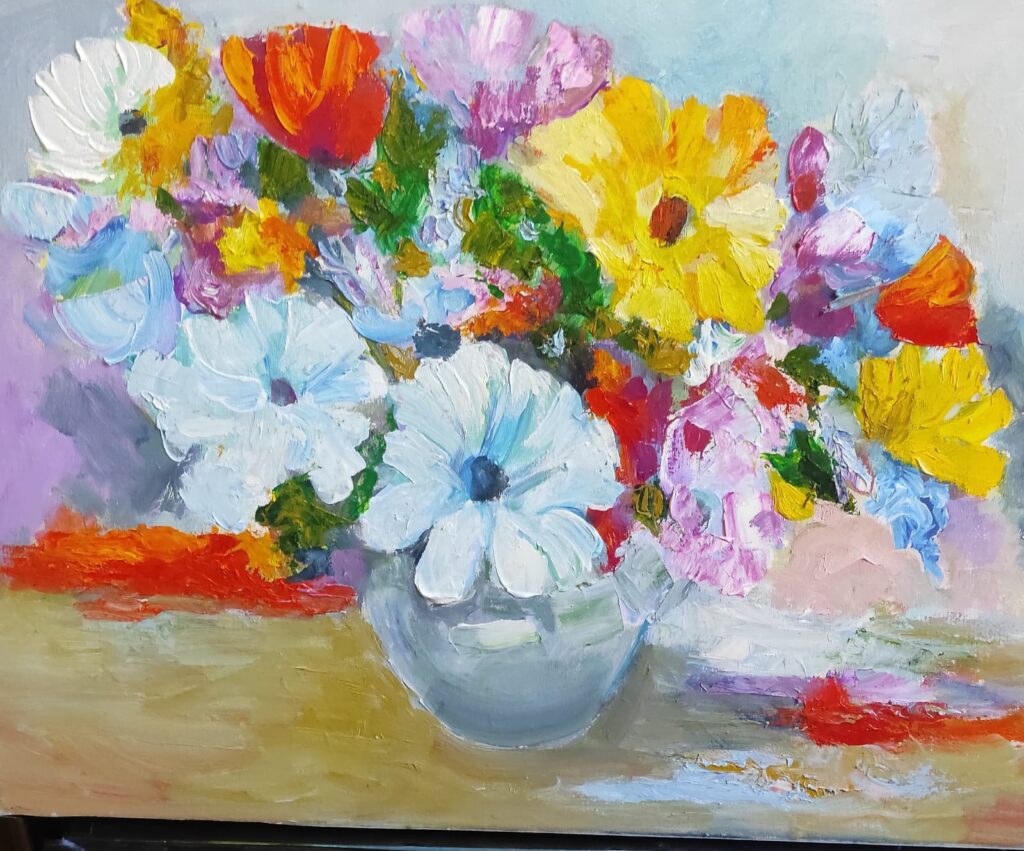 Mənim sərgilərim əsasən kommersiya məqsədi daşımır, ictimai və beynəlxalq məkanlarda keçirilir. Hər sərgidə mütləq Azərbaycan musiqisinin canlı ifasına yer ayırıram, musiqiçilərimizi dəvət edirəm. Tədbirlər zamanı səfirliklərin təqdim etdiyi Azərbaycan haqqında bukletlər, kitablar paylanır və mütləq üçrəngli bayrağımız dalğalanır.
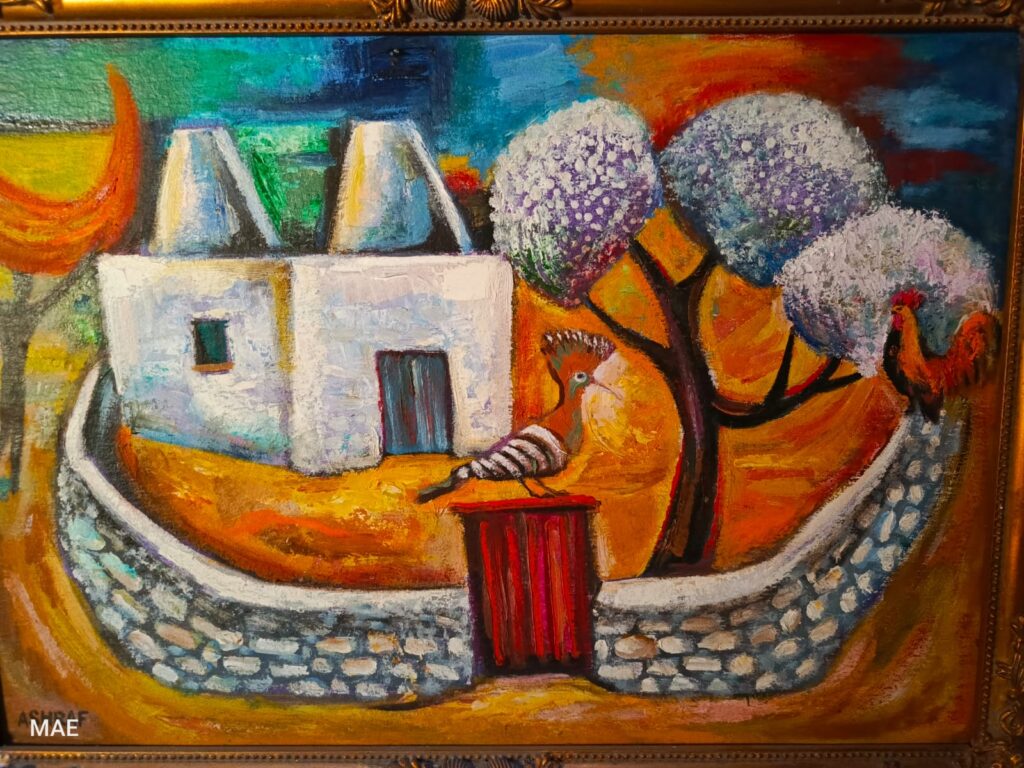 — Bu işdə Sizə kimlər dəstək olur?— Mən hər zaman təşəbbüslərimi dəstəkləyən səfirlərimizə və nümayəndələrimizə minnətdaram. Onlar mədəniyyətin əhəmiyyətini anlayırlar və bu sahəyə xüsusi diqqət ayırırlar. Sərgilər, konsertlər, yazıçı və şairlərlə görüşlər – bunların hamısı böyük önəm daşıyır. Elə bir hal olmayıb ki, hansısa diplomat təşəbbüsümə etiraz etsin. Məsələn, Almaniyada Xocalı faciəsinə həsr olunmuş iyirmi beş əsərdən ibarət kolleksiyam var. Onlar orada qalır, çünki istəyirəm dünya bu faciəni tanısın. Hər il çalışıram ki, Berlində, Praqada və başqa şəhərlərdə Xocalı sərgiləri təşkil edim.
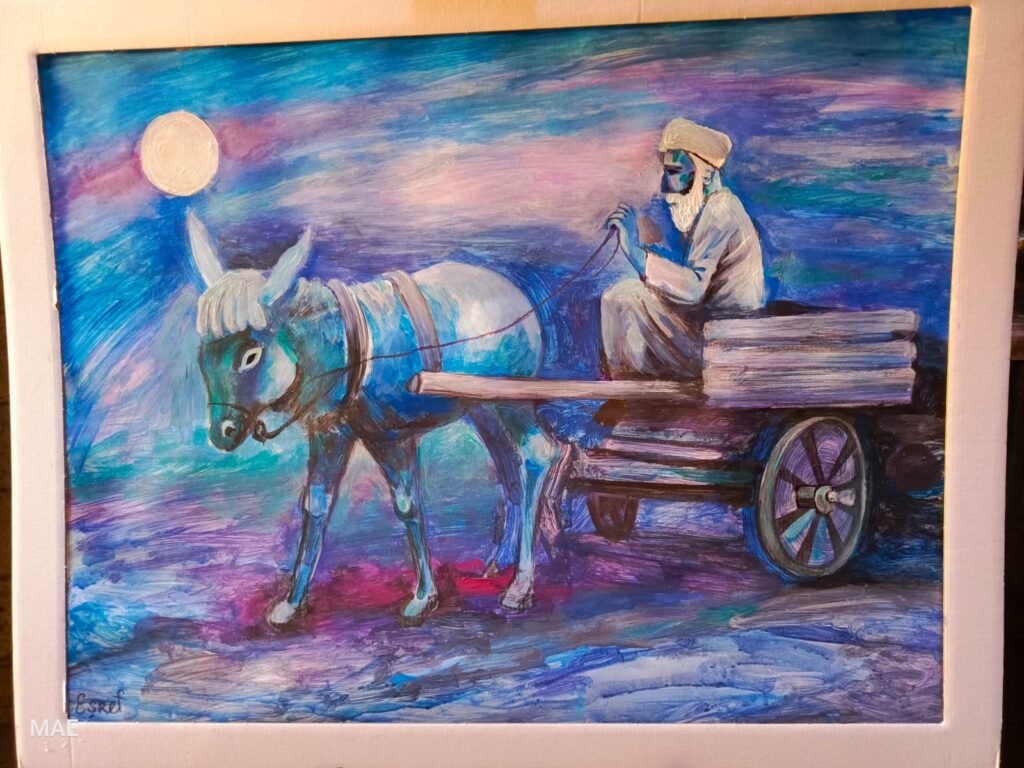 2008-ci ildə Vatikanın Katiblik Sarayında sərgim oldu. Vatikanın bir rəssama qapı açması nadir hadisədir. Amma Azərbaycanın Vatikandakı səfiri Elçin Əmirbəyovun təşəbbüsü və dəstəyi ilə bu mümkün oldu.
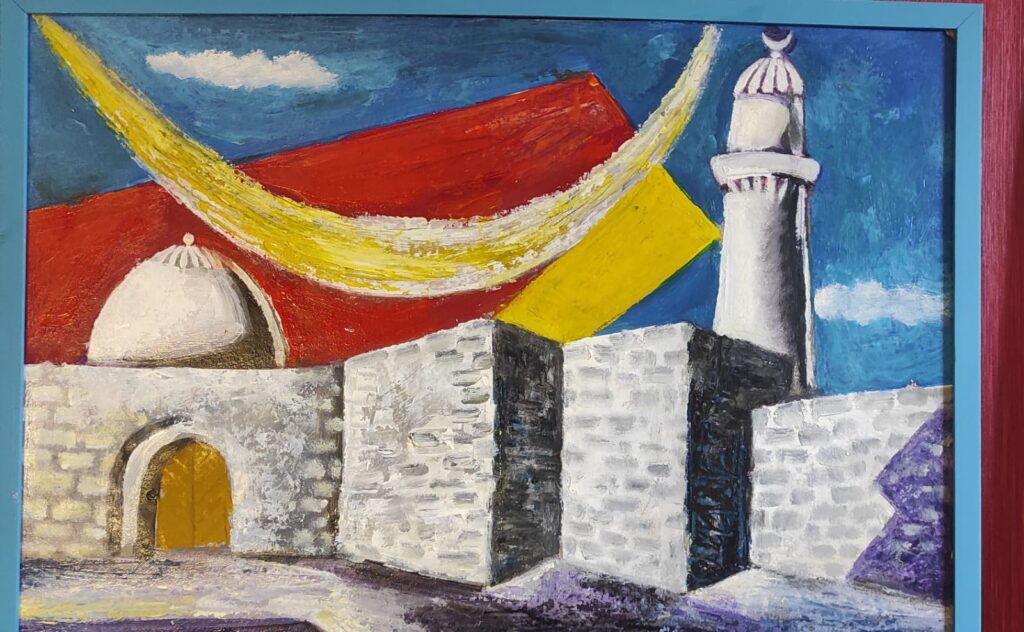 Bundan başqa, Brüsseldə NATO qərargahında da sərgi keçirmişəm. İlk baxışda hərbi-strateji qurumda incəsənət sərgisi qəribə görünə bilərdi. Amma nümayəndəmiz Kamil Həsıyev iki ay danışıqlar apardı və nəticədə sərgi baş tutdu. Belə nümunələr göstərir ki, diplomatiya mədəniyyətə dəstək verdikdə, real nəticələr əldə olunur. Mən də ölkəmi bu dəstəyin köməyi ilə ləyaqətlə təmsil etməyə çalışıram. Bu, mənim missiyamdır.
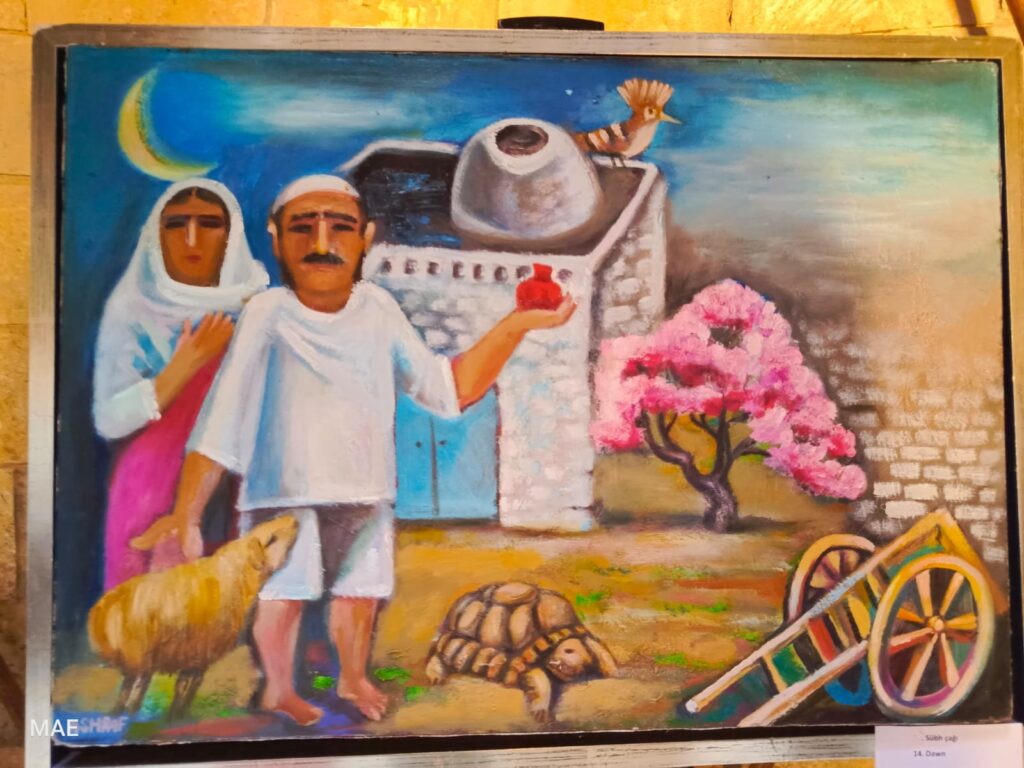 — 2009-cu ildə “Fortuna” jurnalı üçün Sizinlə ilk müsahibəni apardığımız vaxtda belə zəngin kolleksiyanız var idi. İndi isə daha çox əsəriniz var. Onları haradan əldə etmək mümkündür? Siz rəsmlərinizi satırsınızmı?— Mənim əsas fəaliyyətim Almaniyada, Berlindədir, sərgilərim də əsasən Avropada keçirilir. Planım odur ki, əsərlərimi Almaniyadan gətirib Bakıda kolleksiyama əlavə edim. Bu, həm turistlər, həm də azərbaycanlılar üçün maraqlı olacaq. Mən və həyat yoldaşım Mehriban xanım Bakıya ya tədbirlərə, ya da yay aylarında gəlirik. Ona görə də rəsm işlərimi yalnız burada olduğum vaxt əldə etmək mümkündür. İnternetdə məlumat çox azdır, onlayn təqdimatım demək olar ki, yoxdur. Amma gələcəkdə əsərlərimi Gallery by Art & Creativity Club vasitəsilə təqdim etməyi planlaşdırırıq.
 — Sizcə, istedadlı insanın psixoloji faktoru nədən ibarətdir?— Əvvəla, istedad Allah vergisidir. Misal üçün Motsartı götürək: təbiət ona musiqi bəxş etmişdi, lakin məhz atasının tələb etdiyi gündəlik məşqlər onu dahiyə çevirdi. İstedad – bir cücərtidir, onu böyütmək üçün zəhmət, əzmkarlıq və səbir lazımdır. Bunlar birləşəndə, asan və təbii şəkildə həqiqi yaradıcılıq yaranır.
 Azərbaycan incəsənətində mənim üçün yol göstərici olmuş üç ad var: Səttar Bəhlulzadə, Toğrul Nərimanbəyov və Tahir Salahov. Onlar sadəcə istedadlı yox, dahidirlər. İstedadın psixoloji tərəfinə gəldikdə, deyim ki, zəhmətsiz işləməz. Səy göstərilməsə, istedad boş bir imkana çevrilir. Əlavə olaraq, təhsil də önəmlidir – amma daha geniş mənada, yəni özünü inkişaf etdirmək, daim yenilik axtarmaq baxımından. Xüsusilə də bədii təhsil mühümdür. İstedad heç vaxt köhnə yolla getmir, həmişə yeni yol axtarır.
 Hər kəsə bir ay ərzində fırçanı düzgün tutmağı və sadə rəsmlər çəkməyi öyrətmək olar. Amma doğma istedad başqa şeydir. O, təxəyyüldür, elə bir şey yaratmaq qabiliyyətidir ki, bunu nə kompüter, nə də süni intellekt bacara bilər. Bu, Herman Hessenin “Muncuq oyunu” əsərinə bənzəyir – təxəyyülün və fantaziyanın oyunu.
 — Əşrəf müəllim, həyatınızda xoşbəxt bir hadisədən danışa bilərsinizmi?— Mənim üçün xoşbəxtlik ilk növbədə ailə ilə bağlıdır. Ona görə də həyatımdakı iki xoşbəxt hadisə var: 1981-ci ildə Regina Lvovna ilə ilk evliliyim və ikinci dəfə taleyin mənə bəxş etdiyi ailəm – Mehriban xanımla birlikdə həyatım.
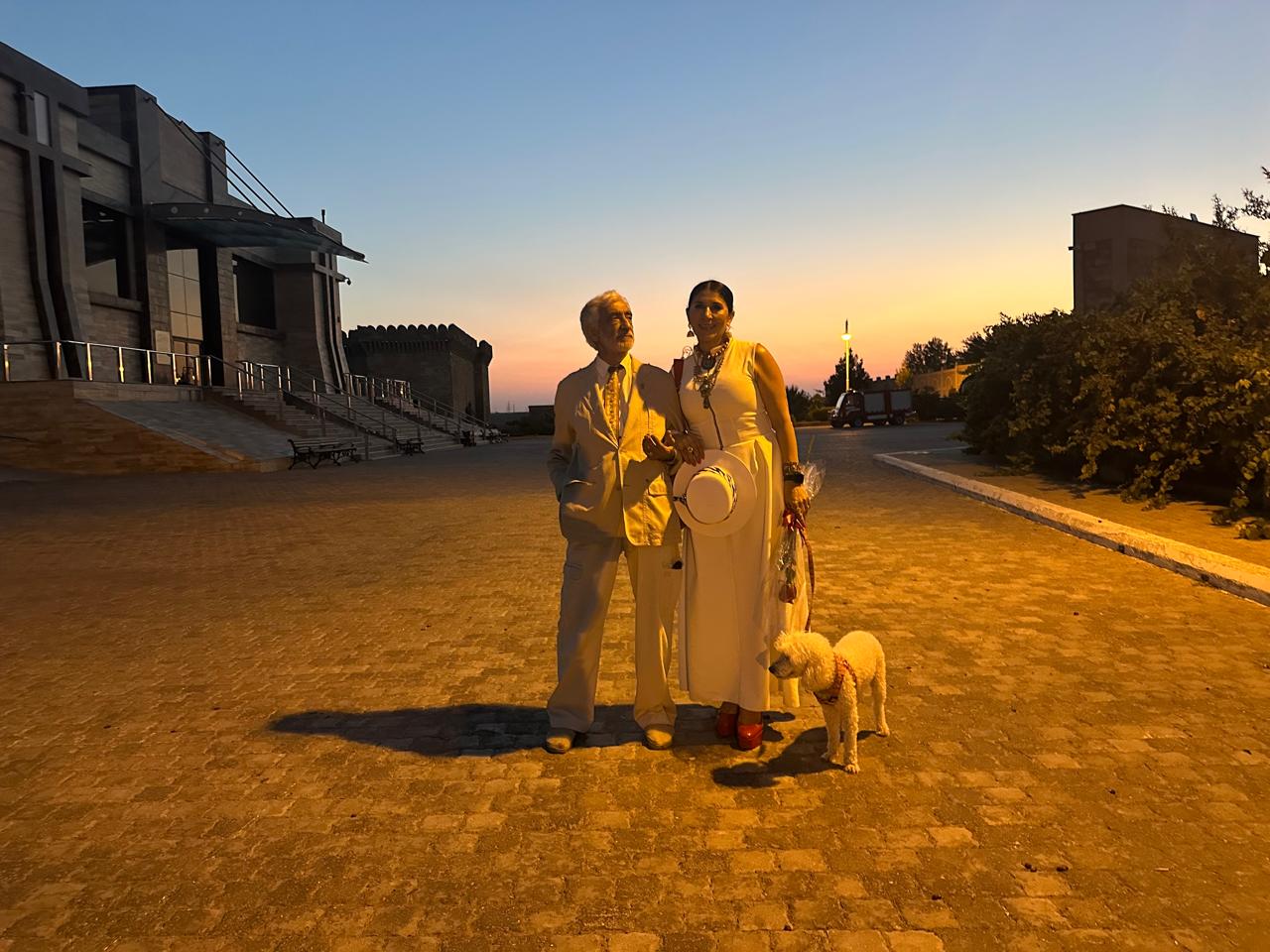 Başqa bir xoşbəxtlik isə görkəmli insanlarla görüşlərimdir. Mən taleyimə minnətdaram ki, Çingiz Aytmatovla dostluq etmişəm. O, məni sadəcə dost saymırdı, əsərlərində açıq şəkildə yazırdı. Mən tez-tez özümə sual verirəm: Aytmatov olsaydı, necə edərdi? Bu yolu seçərdimi? Mənim üçün o, mənəvi bir örnəyə çevrilib, baxmayaraq ki, Bibliyada “özünə büt yaratma” deyilir.
 Zaman mənim üçün fəlsəfi bir anlayışdır. Hər dəqiqə əvəzsizdir. Mən gündə cəmi üç-dörd saat yatıram və bunu belə vaxt itkisi hesab edirəm. 75 yaşımda vaxt artıq saatlarla deyil, dəqiqələrlə ölçülür.Nəhayət, xoşbəxtlik mənim üçün ünsiyyətdir. Baxın, indi sizinlə söhbət etmək mənə sevinc gətirir, çünki bu, vaxt itkisi deyil, qazanılmış zamandır. Ekzyuperi demişdi: “Yeganə həqiqi dəbdəbə – insan ünsiyyətinin dəbdəbəsidir”. Xüsusən də xaricdə bunu daha çox hiss edirsən. Almaniyada otuz il yaşamışam, çoxlu tanışlarım var, amma bir dənə də yaxın alman dostum yoxdur. Ünsiyyət bu gün çatışmır, və bəlkə də buna görə o daha da qiymətlidir.
 — Sizin “Uğur Formulunuz” nədən ibarətdir?— Mənim uğur formulum – zəhmətdir. Amma əlavə edim: zəhmətə mütləq tale də qarışmalıdır. Uinston Çörçill bir dəfə ziyafətdə badə qaldıraraq dedi: “Mən sizin sağlamlığınıza, uğurlarınıza, valideynlərinizə yox, bəxtinizə içirəm – qoy o həmişə sizinlə olsun”. Bu sözlər mənə çox doğmadır.
 Bu gün bəxt, uğurlu təsadüf, şans bəzən zəhmətdən də mühüm rol oynayır. Özüm haqqında misal gətirmək istəmirəm, amma açıq deyim: mən daim işləyirəm, daim yaradıram. Amma maddi baxımdan böyük uğurum yoxdur. Maliyyə baxımından zəngin deyiləm. Halbuki bu gün dünyada uğur maddi imkanlarla ölçülür. Buna görə də tale çox önəmlidir.
 — Keçmişə baxanda etmədiyiniz nələr üçün heyifsilənirsinizmi?— Bu çox fəlsəfi sualdır. Böyük meksikalı rəssam David Alfaro Siqueiros haqqında bir hekayə ilə başlamaq istərdim. Onun qızı ilə ünsiyyətim oldu, bu mənim üçün böyük xoşbəxtlik idi. O danışırdı ki, sərginin açılışında Siqueirosdan soruşublar: “Ustad, arzu etdiyiniz nədir?” O isə cavab verib: “Arzulayıram ki, məni başqa planetin divarlarında işləməyə dəvət etsinlər”. O, mahiyyətcə monumentalist idi, kosmik miqyaslı sənətkar.
 Mənim əsas təəssüfüm isə monumental incəsənətdə özümü tam şəkildə ifadə edə bilməməyimdir. Mən Moskva Olimpiadasının baş rəssamı olmuş Zurab Tseretelidən mozaika öyrənmişəm. Tahir Salahovun məsləhəti ilə onun komandasına daxil oldum. Mənim ilhamım və ehtirasım həmişə mozaika və monumental əsərlərlə bağlı olub. Amma bu sahədə yeganə işim cəmi 30 kvadratmetrlik divar mozaikasıdır. Mən isə daha böyüyünü arzulayırdım.
 Məsələn, Toğrul Nərimanbəyov gerçəkdən möhtəşəm əsərlər yaradıb: onun işlərini Milli Məclisdə, “Moskva” mehmanxanasında, Kukla Teatrında, Gəncə kitabxanasında görmək olar. Mənim təəssüfüm isə yalnız odur ki, monumental incəsənətdə arzuladığım miqyasda özümü reallaşdıra bilmədim.
 — Bu gün özünüzə nə arzulayardınız?— İstəyirəm ki, monumental mozaika sahəsində fəaliyyətim genişlənsin. Məsələn, dövlət binalarından birinin zal divarlarını öz rəsm işimlə bəzəməyi çox arzulayıram.
 — Bizə nə arzulayardınız?— Sizə uğur və bəxt arzulayıram. Əgər insanın bəxti gətirirsə, sağlamlığı və maddi gəliri də olur. Hər şey uğurdan asılıdır. Uğur, bəxt isə Allahın əlindədir. Qoy Allah sizə uğuru versin!— Təşəkkür edirik, Əşrəf müəllim! Müsahibəni apardı: Səidə Musayeva, “Fortuna” jurnalının baş redaktoru
— Əşrəf müəllim, “Fortuna” jurnalına xoş gəlmisiniz! Siz uzun yaradıcılıq yolunuz var, əsərləriniz bir çox ölkələrdə nümayiş olunub, Almaniyada yaşayırsınız və böyük kolleksiyalarınız var. Hazırda Bakıda şəxsi ev-muzeyiniz fəaliyyət göstərir. Bu barədə daha ətraflı danışa bilərsinizmi?— Çox təşəkkür edirəm! Burada təqdim olunan hər şey bir-iki ilə deyil, bütün ömrüm boyu toplanıb. Mən 1995-ci ildən başlayaraq təxminən otuz il Almaniyada yaşamışam. Cənab Prezidentimiz İlham Əliyevə Bakıda mənə mənzil verdiyi üçün dərin minnətdarlığımı bildirirəm – bu, qəlbimdə daim qoruyacağım bir hədiyyədir.Müxtəlif ölkələrdə yaşayarkən heç vaxt qiymətli əşyalar toplamaq arzusunda olmamışam. Mənim marağım həmişə estetik dəyəri olan əşyalara yönəlmişdi: vazalar, fiqurlar, keramika. Rəsm əsərlərimdən qazandığım gəlirin bir qismini belə eksponatların alınmasına yönəldirdim. Beləliklə, zəngin bir kolleksiya formalaşdı: İtaliya, Hindistan, Misir, Yunanıstan (yalnız Yunanıstandan on səkkiz ədəd qab), Çin keramikası, yapon qabları, Afrika fiqurları. Bir çox əşyalar mənə hədiyyə edilib, hətta heç vaxt getmədiyim bölgələrdən də. Xüsusilə, altmış-yetmiş ədədlik kukla kolleksiyam var, bir hissəsi Berlində saxlanılır. Böyük fəxrim “Arlekinlərdir” – İtaliyanın milli keramika və farfor kuklaları. Zaman keçdikcə bu kolleksiya sadəcə böyümədi, müxtəlif mədəniyyətlərin bütöv bir dünyasına çevrildi.Evimə gələn qonaqlar tez-tez deyirlər: “Bu, əsl muzeydir, Azərbaycanda belə bir yer yoxdur”. Doğrudan da, hər dəfə Bakıya dönəndə yeni eksponatlar gətirməyə çalışıram, bəzən bütöv çamadanlarla. Burada olan hər kəs güclü təəssüratla ayrılır.Məhz buna görə qərara gəldim ki, bu kolleksiya tək yaxınlarıma və dostlarıma xidmət etməsin. Gələcəkdə onu dövlətə hədiyyə etmək, Dünya Mədəniyyəti Muzeyini və rəssam qalereyasını yaratmaq istəyirəm. Mənim minlərlə əsərim var.Bu mənim üçün sadəcə “arzu” deyil, konkret plandır. İnanıram ki, belə bir muzey ölkənin mədəni irsinin bir hissəsinə və sakinlər, turistlər üçün yeni bir maraqlı məkana çevriləcək. Azərbaycanda artıq nümunələr var – məsələn, Tahir Salahov kolleksiyasını dövlətə bağışlamışdı. Uyğun məkan təqdim olunarsa, mən də bu addımı atmağa hazıram.— Əşrəf müəllim, fəaliyyətiniz çox zəngin və məhsuldardır. Azərbaycan mədəniyyətinin Almaniyada və digər ölkələrdə təbliği üçün gördüyünüz işlərdən danışa bilərsinizmi?— 1998-ci ildə ümummilli lider Heydər Əliyevin Almaniyaya ilk rəsmi səfəri oldu. Həmin səfər çərçivəsində Almaniya prezidentinin iqamətgahında diaspor nümayəndələri ilə görüş keçirildi. Heydər Əliyevə məni tanıdan isə jurnalist Elmira Axundova oldu. Qısa söhbətdən sonra Heydər Əliyev gedərkən mənə dedi: “Azərbaycanı unutmayın”. Mən cavab verdim: “Mütləq”.Artıq 1999-cu ildə Almaniyanın Koblenz şəhərində Azərbaycanlılar Cəmiyyətini yaratdım. Əlli nəfərdən çox soydaşımızın iştirak etdiyi təsis yığıncağında səfir Hüseyn-Ağa Sadıqov da iştirak etdi və biz bu cəmiyyəti rəsmi şəkildə qeydiyyatdan keçirdik. Mənim bir rəssam kimi missiyam ölkəmi əsərlərim vasitəsilə təmsil etmək və Azərbaycanın mədəniyyətini göstərməkdir. Hər zaman özümü “Azərbaycan rəssamı” kimi təqdim etmişəm.Mənim sərgilərim əsasən kommersiya məqsədi daşımır, ictimai və beynəlxalq məkanlarda keçirilir. Hər sərgidə mütləq Azərbaycan musiqisinin canlı ifasına yer ayırıram, musiqiçilərimizi dəvət edirəm. Tədbirlər zamanı səfirliklərin təqdim etdiyi Azərbaycan haqqında bukletlər, kitablar paylanır və mütləq üçrəngli bayrağımız dalğalanır.— Bu işdə Sizə kimlər dəstək olur?— Mən hər zaman təşəbbüslərimi dəstəkləyən səfirlərimizə və nümayəndələrimizə minnətdaram. Onlar mədəniyyətin əhəmiyyətini anlayırlar və bu sahəyə xüsusi diqqət ayırırlar. Sərgilər, konsertlər, yazıçı və şairlərlə görüşlər – bunların hamısı böyük önəm daşıyır. Elə bir hal olmayıb ki, hansısa diplomat təşəbbüsümə etiraz etsin. Məsələn, Almaniyada Xocalı faciəsinə həsr olunmuş iyirmi beş əsərdən ibarət kolleksiyam var. Onlar orada qalır, çünki istəyirəm dünya bu faciəni tanısın. Hər il çalışıram ki, Berlində, Praqada və başqa şəhərlərdə Xocalı sərgiləri təşkil edim.2008-ci ildə Vatikanın Katiblik Sarayında sərgim oldu. Vatikanın bir rəssama qapı açması nadir hadisədir. Amma Azərbaycanın Vatikandakı səfiri Elçin Əmirbəyovun təşəbbüsü və dəstəyi ilə bu mümkün oldu.Bundan başqa, Brüsseldə NATO qərargahında da sərgi keçirmişəm. İlk baxışda hərbi-strateji qurumda incəsənət sərgisi qəribə görünə bilərdi. Amma nümayəndəmiz Kamil Həsıyev iki ay danışıqlar apardı və nəticədə sərgi baş tutdu. Belə nümunələr göstərir ki, diplomatiya mədəniyyətə dəstək verdikdə, real nəticələr əldə olunur. Mən də ölkəmi bu dəstəyin köməyi ilə ləyaqətlə təmsil etməyə çalışıram. Bu, mənim missiyamdır.— 2009-cu ildə “Fortuna” jurnalı üçün Sizinlə ilk müsahibəni apardığımız vaxtda belə zəngin kolleksiyanız var idi. İndi isə daha çox əsəriniz var. Onları haradan əldə etmək mümkündür? Siz rəsmlərinizi satırsınızmı?— Mənim əsas fəaliyyətim Almaniyada, Berlindədir, sərgilərim də əsasən Avropada keçirilir. Planım odur ki, əsərlərimi Almaniyadan gətirib Bakıda kolleksiyama əlavə edim. Bu, həm turistlər, həm də azərbaycanlılar üçün maraqlı olacaq. Mən və həyat yoldaşım Mehriban xanım Bakıya ya tədbirlərə, ya da yay aylarında gəlirik. Ona görə də rəsm işlərimi yalnız burada olduğum vaxt əldə etmək mümkündür. İnternetdə məlumat çox azdır, onlayn təqdimatım demək olar ki, yoxdur. Amma gələcəkdə əsərlərimi Gallery by Art & Creativity Club vasitəsilə təqdim etməyi planlaşdırırıq.— Sizcə, istedadlı insanın psixoloji faktoru nədən ibarətdir?— Əvvəla, istedad Allah vergisidir. Misal üçün Motsartı götürək: təbiət ona musiqi bəxş etmişdi, lakin məhz atasının tələb etdiyi gündəlik məşqlər onu dahiyə çevirdi. İstedad – bir cücərtidir, onu böyütmək üçün zəhmət, əzmkarlıq və səbir lazımdır. Bunlar birləşəndə, asan və təbii şəkildə həqiqi yaradıcılıq yaranır.Azərbaycan incəsənətində mənim üçün yol göstərici olmuş üç ad var: Səttar Bəhlulzadə, Toğrul Nərimanbəyov və Tahir Salahov. Onlar sadəcə istedadlı yox, dahidirlər. İstedadın psixoloji tərəfinə gəldikdə, deyim ki, zəhmətsiz işləməz. Səy göstərilməsə, istedad boş bir imkana çevrilir. Əlavə olaraq, təhsil də önəmlidir – amma daha geniş mənada, yəni özünü inkişaf etdirmək, daim yenilik axtarmaq baxımından. Xüsusilə də bədii təhsil mühümdür. İstedad heç vaxt köhnə yolla getmir, həmişə yeni yol axtarır.Hər kəsə bir ay ərzində fırçanı düzgün tutmağı və sadə rəsmlər çəkməyi öyrətmək olar. Amma doğma istedad başqa şeydir. O, təxəyyüldür, elə bir şey yaratmaq qabiliyyətidir ki, bunu nə kompüter, nə də süni intellekt bacara bilər. Bu, Herman Hessenin “Muncuq oyunu” əsərinə bənzəyir – təxəyyülün və fantaziyanın oyunu.— Əşrəf müəllim, həyatınızda xoşbəxt bir hadisədən danışa bilərsinizmi?— Mənim üçün xoşbəxtlik ilk növbədə ailə ilə bağlıdır. Ona görə də həyatımdakı iki xoşbəxt hadisə var: 1981-ci ildə Regina Lvovna ilə ilk evliliyim və ikinci dəfə taleyin mənə bəxş etdiyi ailəm – Mehriban xanımla birlikdə həyatım.Başqa bir xoşbəxtlik isə görkəmli insanlarla görüşlərimdir. Mən taleyimə minnətdaram ki, Çingiz Aytmatovla dostluq etmişəm. O, məni sadəcə dost saymırdı, əsərlərində açıq şəkildə yazırdı. Mən tez-tez özümə sual verirəm: Aytmatov olsaydı, necə edərdi? Bu yolu seçərdimi? Mənim üçün o, mənəvi bir örnəyə çevrilib, baxmayaraq ki, Bibliyada “özünə büt yaratma” deyilir.Zaman mənim üçün fəlsəfi bir anlayışdır. Hər dəqiqə əvəzsizdir. Mən gündə cəmi üç-dörd saat yatıram və bunu belə vaxt itkisi hesab edirəm. 75 yaşımda vaxt artıq saatlarla deyil, dəqiqələrlə ölçülür.Nəhayət, xoşbəxtlik mənim üçün ünsiyyətdir. Baxın, indi sizinlə söhbət etmək mənə sevinc gətirir, çünki bu, vaxt itkisi deyil, qazanılmış zamandır. Ekzyuperi demişdi: “Yeganə həqiqi dəbdəbə – insan ünsiyyətinin dəbdəbəsidir”. Xüsusən də xaricdə bunu daha çox hiss edirsən. Almaniyada otuz il yaşamışam, çoxlu tanışlarım var, amma bir dənə də yaxın alman dostum yoxdur. Ünsiyyət bu gün çatışmır, və bəlkə də buna görə o daha da qiymətlidir.— Sizin “Uğur Formulunuz” nədən ibarətdir?— Mənim uğur formulum – zəhmətdir. Amma əlavə edim: zəhmətə mütləq tale də qarışmalıdır. Uinston Çörçill bir dəfə ziyafətdə badə qaldıraraq dedi: “Mən sizin sağlamlığınıza, uğurlarınıza, valideynlərinizə yox, bəxtinizə içirəm – qoy o həmişə sizinlə olsun”. Bu sözlər mənə çox doğmadır.Bu gün bəxt, uğurlu təsadüf, şans bəzən zəhmətdən də mühüm rol oynayır. Özüm haqqında misal gətirmək istəmirəm, amma açıq deyim: mən daim işləyirəm, daim yaradıram. Amma maddi baxımdan böyük uğurum yoxdur. Maliyyə baxımından zəngin deyiləm. Halbuki bu gün dünyada uğur maddi imkanlarla ölçülür. Buna görə də tale çox önəmlidir.— Keçmişə baxanda etmədiyiniz nələr üçün heyifsilənirsinizmi?— Bu çox fəlsəfi sualdır. Böyük meksikalı rəssam David Alfaro Siqueiros haqqında bir hekayə ilə başlamaq istərdim. Onun qızı ilə ünsiyyətim oldu, bu mənim üçün böyük xoşbəxtlik idi. O danışırdı ki, sərginin açılışında Siqueirosdan soruşublar: “Ustad, arzu etdiyiniz nədir?” O isə cavab verib: “Arzulayıram ki, məni başqa planetin divarlarında işləməyə dəvət etsinlər”. O, mahiyyətcə monumentalist idi, kosmik miqyaslı sənətkar.Mənim əsas təəssüfüm isə monumental incəsənətdə özümü tam şəkildə ifadə edə bilməməyimdir. Mən Moskva Olimpiadasının baş rəssamı olmuş Zurab Tseretelidən mozaika öyrənmişəm. Tahir Salahovun məsləhəti ilə onun komandasına daxil oldum. Mənim ilhamım və ehtirasım həmişə mozaika və monumental əsərlərlə bağlı olub. Amma bu sahədə yeganə işim cəmi 30 kvadratmetrlik divar mozaikasıdır. Mən isə daha böyüyünü arzulayırdım.Məsələn, Toğrul Nərimanbəyov gerçəkdən möhtəşəm əsərlər yaradıb: onun işlərini Milli Məclisdə, “Moskva” mehmanxanasında, Kukla Teatrında, Gəncə kitabxanasında görmək olar. Mənim təəssüfüm isə yalnız odur ki, monumental incəsənətdə arzuladığım miqyasda özümü reallaşdıra bilmədim.— Bu gün özünüzə nə arzulayardınız?— İstəyirəm ki, monumental mozaika sahəsində fəaliyyətim genişlənsin. Məsələn, dövlət binalarından birinin zal divarlarını öz rəsm işimlə bəzəməyi çox arzulayıram.— Bizə nə arzulayardınız?— Sizə uğur və bəxt arzulayıram. Əgər insanın bəxti gətirirsə, sağlamlığı və maddi gəliri də olur. Hər şey uğurdan asılıdır. Uğur, bəxt isə Allahın əlindədir. Qoy Allah sizə uğuru versin!— Təşəkkür edirik, Əşrəf müəllim! Müsahibəni apardı: Səidə Musayeva, “Fortuna” jurnalının baş redaktoru