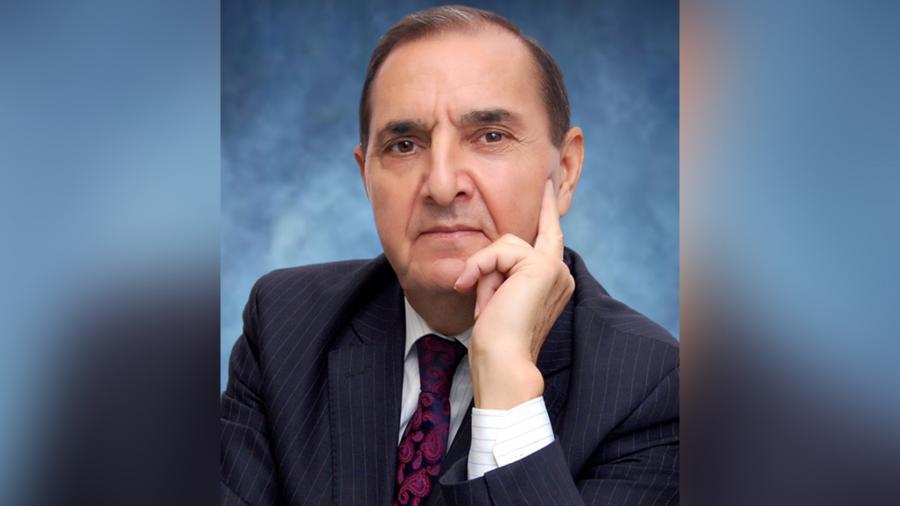
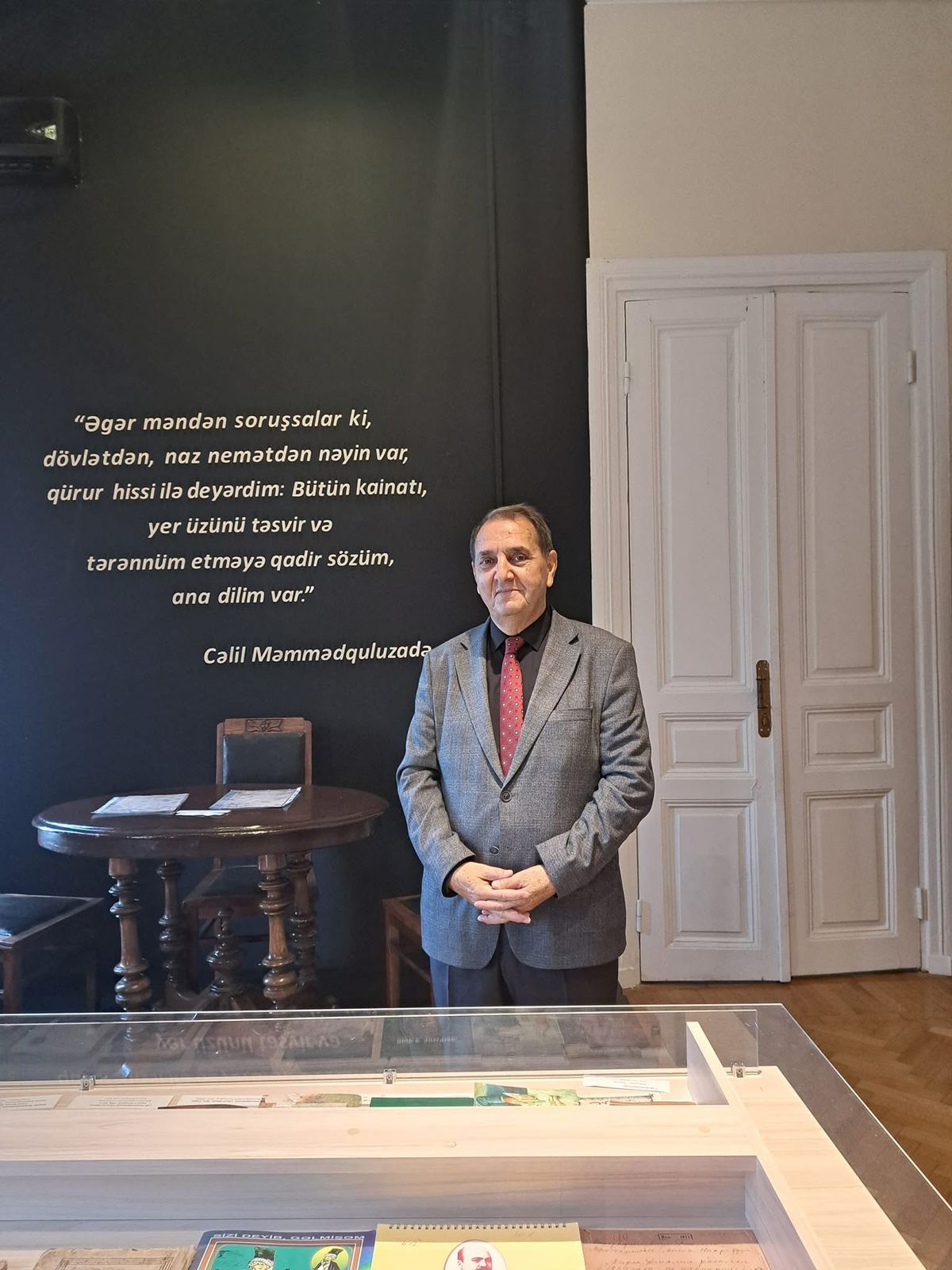
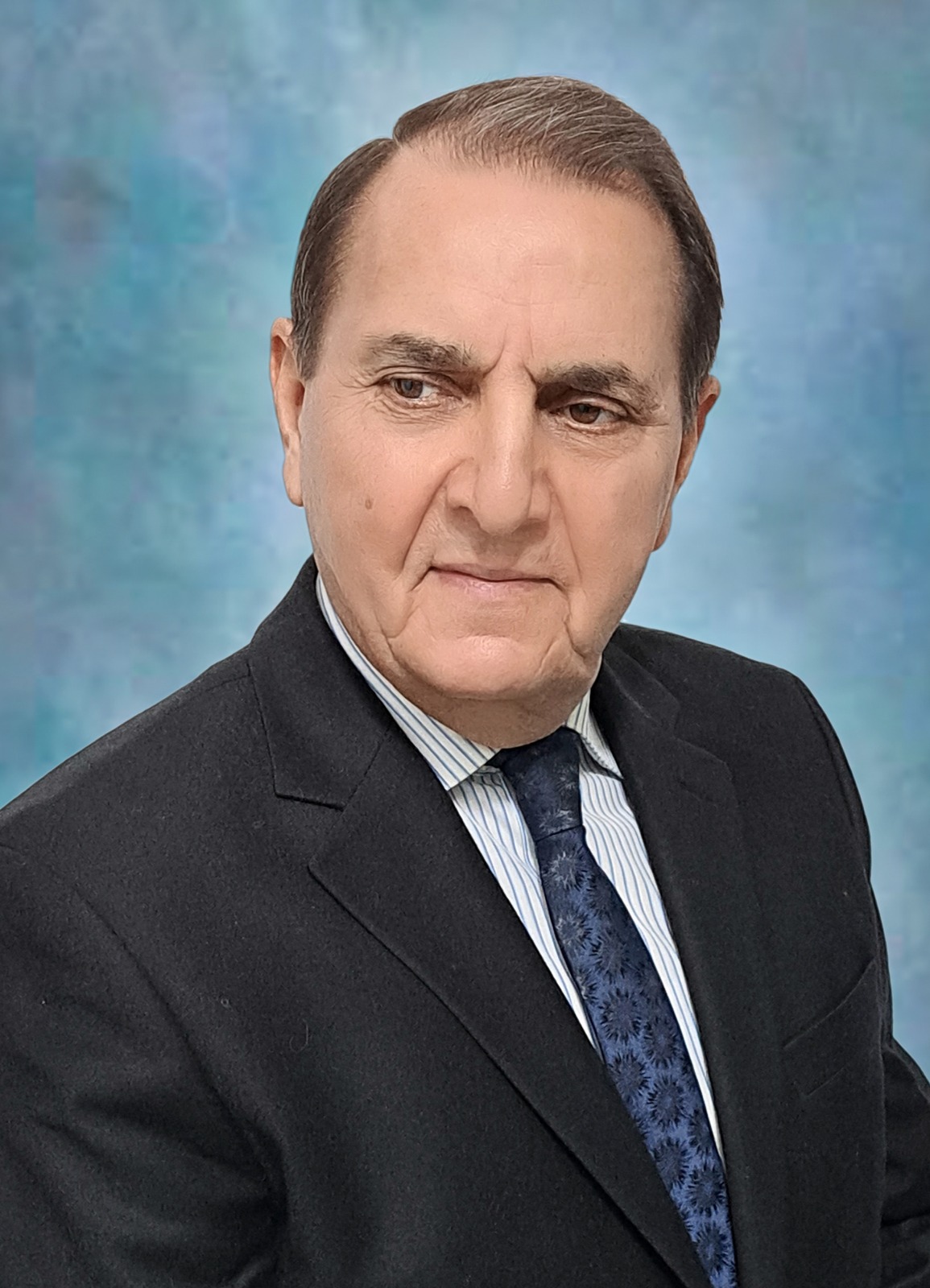
Bu dəfə “Fortuna” jurnalının qonağı, iki fərqli sahədə – maliyyə və yaradıcılıq dünyasında öz sözünü demiş bir ziyalı oldu: iqtisadçı-maliyyəçi, eyni zamanda şair və publisist kimi tanınan Fəxrəddin Meydanlı (Əzizov).Onunla olan müsahibə, sadəcə fikir mübadiləsi deyildi — bu, dərin mənalı bir səyahət idi. Həm rəqəmlərlə danışmağı bacaran bir peşəkar, həm də sözün sehrinə inanan bir yaradıcı insanla söhbət etdik. Fəxrəddin bəyin uğura yanaşması bir ifadədə cəmlənir: “Həyatda gərəkli olmaq.” Bu prinsip onun həyat fəlsəfəsinin təməlidir — istər ictimai fəaliyyətində, istərsə də şeirlərində, publisistik yazılarında.
Müsahibə boyu biz yalnız bir peşəkarla deyil, həm də vicdanı, dəyərləri və zəngin daxili aləmi ilə fərqlənən bir insanla tanış olduq. Onun təcrübəsi, müşahidələri və tövsiyələri gənc nəslə, eləcə də həyatın hər çağında olan oxuculara yol göstərə biləcək dəyərdədir.
 — Gənclərə ilham vermək üçün hansı əsas fikri bölüşmək istərdiniz? Öz yolunu axtaran, tərəddüddə olan bir gəncə hansı tövsiyyəni verərdiniz?— Gənclərə ilham vermək dedikdə-mən onlara ilk növbədə hansısa işlə məşğul olmağı, işləməyi, çalışdıqları aşağılı-yuxarılı vəzifələrdən irəli gələn funksiyaları vaxtında və keyfiyyətlə həyata keçirməyi, işini sevərək, onu daha da təkmilləşdirməyi, özlərindən daha səriştəli mütəxəssilərlə məsləhətləşməyi, həyatda ancaq özünə və əməyinə güvənməyi, özündən müştəbeh olmamağı, ailə, milli mənəvi dəyərləri qoruyub saxlamağı, ailə quraraq ev-uşaq sahib olmaqla xoşbəxt həyat sürməyi tövsiyyə edərdim.Öz yolunu axtaran, lakin tərəddüddə olan-başqa sözlə desək, özünü tapmaqda çətnilik çəkən gənclərə isə ilk növbədə fəaliyyət növünün hansı sahəsinin maraq çərçivəsində olmasını aydınlaşdırmağı, özünü və bacarığını bu sahədə sınaqdan keçirməklə, həyatda öz çığırını açmağa, usanmadan, yorulmadan, daima öz üzərində çalışmalarını tövsiyyə edərdim. — İlhamın Sizi ən çox tapdığı anlar hansı zamanlara təsadüf edir? Tənhalıqda, insanlarla təmasda, yoxsa təbiətdə?— İlham dediyimiz məvhum əgər bir insanın qanında-canında varsa, o həmişə səninlədi-istər tənhalıqda, istər insanlarla təmasda, istərsə təbiət qoynunda, istərsə də yuxuda. Şəxsən mən konsert solonunda, səsli küylü bir məclisdə, ictimai nəqliyyatda və s.., heç bir çətinlik çəkmədən proza və ya şeir yazıram-təki hansısa bir məqam, mövzu məni tutmuş olsun. Ən çətini birinci cümləni yazmaqdı. Arxası isə özü vəhlə gəlir insana. Həmin anda yazmasan, bu artıq sənin deyil-uçdu və getdi... — Əgər keçmişdəki özünüzə bir cümlə islə müraciət etmək imkanınız olsaydı, nə deyərdiniz? Bu cümlə həm də oxucular üçün bir yol göstəricisi ola bilərmi?— Keçmişdəki özümə müraciət etmək imkanım həmişə var və mənim ona heç bir iradım yoxdur. Keçmiş günlərimi bu gün də yaşamaq imkanım olsaydı-tərəddüd etmədən düzümlə-səhvimlə yenə də elə beləcə yaşayardım və yaşayıram da. Çünki insanın səhvi düzü olmur-onun həmin anda düşündüyü və elədiyi onunçün ən doğru sayılır. Sonradan düşünüləni artıq elənilənə tətbiq etmək imkanı olmadığı kimi, növbəti edəcəyin də keçmişindən doğan bir labüdlikdir.Fikrimcə yazdıqlarım oxucularçün də bir örnək ola bilər. Əlahəzrət oxucu! Elədiyin şeyin peşimançılığını heç vaxt çəkmə. Çünki onu dəyişdirib başqa cür etmək imkanına malik deyilsən. Amma bu kimi səhvlərə yol vermməməyə çalışmağın daşıdığın mənəvi ağırlığını yüngülləşdirə bilər.
  — Hər kəsin həyatında bir dönüş nöqtəsi olur-Sizi dəyişdirən, yetkinləşdirən əsas hadisə nə idi?— Bu sualı yuxarıdakı bu və ya digər şəkldə də olsa cavablandırmağa çalışmışam və əlavə olaraq onu deyim ki, məni dəyişdirən, məni yetkinləşdirən, hər günün sonunda özümün özümə hesabat verməyim, özümü daim tərbiyyələndirməyim və kimin mənim barəmdə hansı əməl sahibi olmasına baxmayaraq, öz dügün yolumu dəyişməməyim, insanlara olan sevgimi itirməməyimdi.Başqa sözlə desək, mənim bir bəndlik şeirimdə dediyim kimi:-Bu dünya-bir tərəzi,Heç kimlə yox, qərəzi.Bir gözündə əməlin,Bir gözündə əvəzi... — Sizin üçün “uğur formulu” nədir?— Mənim üçün uğur formulu həyatda “gərəkli olmaq”dır.Gərəksiz insanın həyatda nə özü olar nə də sözü.Adam var yüz il yaşayar, gözünü əbədi yummaqla, özü də yaddaşlardan silinər. Adam da var ki, kiçik həyatı ilə dünya durduqca yaşayar:-Mikayıl Müşfiq, Cəfər Cabbarlı, Asəf Zeynallı və bu kimiləri.Dahi Cavid Hüseyd demişkən:-Ölüm var ki, həyat qədər dəyərli,Həyat var ki, ölümdən də betərdi. —“Fortuna təbəssümü”nü həyatınızın hansı anında hiss etdiniz?— Hansısa işə yarayıb və ya hansısa xoş bir əməli həyata keçirən anda. Sonda isə oxucularıma bir sevgi şeiri də ərmağan etmək istərdim.Müddətdir, sevgidən yaman qaçırdım,Sevgidən söz düşsə, uzaqlaşırdım.Sevgi-məhəbətlə vidalaşırdım,Sən sevdin, sevdirdin, özünü mənə. Sevgidən xəbəri, olan azdır, az,Sevginin dəyərin, bilən azdır, az.Sevənin dərdindən, ölən azdır, az,Sən sevdin, sevdirdin, özünü mənə. Mən elə bilirdim, bir də sevmərəm,Sevgini kimsədə tapa bilmərəm.Sevsm də, bəlkə də, heç sevilmərəm,Sən sevdin, sevdirdin, özünü mənə. Sən yatan sevgimi necə oyatdın,Sevgidən içimdə tufan yaratdın.Sevgiylə gözümdə qəfil boy atdın,Sən sevdin, sevdirdin, özünü mənə. Sevgi kitabından dərs verdin mənə,Sevməyi öyrətdin sən Fəxrəddinə.Doğrusu heyranam, sənə, sevginə,Sən sevdin, sevdirdin, özünü mənə.01.07.2011-Bakı Müsahibəni apardı: Səidə Musayeva, Fortuna jurnalının baş redaktoru