Bu dəfəki qonağımız musiqi aləmində öz səsindən, ritmindən və yaradıcılıq enerjisindən doğan unikal iz buraxmış sənətkardır. Onun hekayəsi uşaqlıqdan səhnəyə bağlanan, zəhmət və əzmkarlıqla dolu, rəngarəng coğrafiyalardan keçən bir musiqi epopeyasıdır. Gürcüstanda doğulmuş, musiqiyə ilk addımlarını ailəsinin sonsuz dəstəyi ilə atan, sonralar Almaniyada caz musiqisinin incəliklərini mənimsəyərək, Amerikada beynəlxalq səhnələrdə uğur qazanan və «Azərbaycan» mahnısı böyük sevgi ilə yazan bir ifaçı Brendon Stoun( Brandon Stone). – «Fortuna» jurnalına xoş gəlmisiniz! Sizdən xahiş edərdik ki, bir az özünüz haqqında danışasınız.— Əvvəlcə demək istəyirəm ki, mənə vaxt ayırıb, «Sea Breeze»-ə görüşə gəldiyiniz üçün Sizə təşəkkür edirəm! Artıq Azərbaycanda daha tez-tez ola bildiyim üçün çox şadam. Bunun səbəbi Emin Ağalarov və onun üçün yazdığım mahnılardır.Mən Tbilisidə, Gürcüstanda anadan gəlmişəm. Ailəm musiqiçi olmayıb: atam mühəndis, anam isə iqtisadçı idi. Musiqi qabiliyyətlərimi ilk dəfə kəşf edən də valideynlərim olub və məhz onların dəstəyi ilə bu yola başlamışam. Çox vaxt valideynlər övladlarının musiqiçi olmasını istəmirlər, çünki bunu peşədən daha çox hobbiyə bənzədirlər. Amma mənim anam və atam, musiqiyə uşaqlıqdan böyük marağımı görüb, məni bu sahəyə yönləndirmək qərarına gəldilər. Anam danışırdı ki, üç yaşım olanda, artıq mənim üçün fortepiano müəllimi dəvət etmişdi. Beş yaşımda isə on min nəfərin iştirak etdiyi böyük seçim mərhələsindən keçərək, «Nergəbi» («Cücərtilər») adlı vokal-instrumental ansambla qəbul olundum. Orada zərb alətlərini, fortepianonu, gitaranı öyrəndim və həmçinin ifaçı kimi formalaşdım. Uşaqlığımın böyük hissəsi musiqi dünyasında keçdi. Altı yaşımda ansambl ilə birlikdə Sovet İttifaqının müxtəlif şəhərlərinə — Leninqrad, Minsk və başqa yerlərə konsert səfərlərinə yollanırdıq. Mənim uşaqlığım səhnədə keçib. Digər uşaqlar kimi futbol oynayıb, küçədə vaxt keçirmirdim. Mənim əsas həyatım səhnədə, məşqlərdə və ansambl dostlarımla birlikdə səfərlərdə idi. Biz ansamblda on üç nəfər idik, hamımız dost olmuşduq, birlikdə böyüyürdük.1991-ci ildə ailəmizlə Gürcüstandan köçdük. İlk dayanacağımız İsrail oldu. Sonra Amerikaya getməyi planlaşdırırdıq, amma sonda Almaniyanın paytaxtı Berlində məskunlaşdıq. Orada iyirmi ildən artıq yaşadım, musiqi təhsili aldım, konservatoriyanı bitirdim və caz pianoçusu oldum. Daha sonra Amerikaya köçdüm və məşhur prodüser şirkəti ilə əməkdaşlığa başladım. O vaxt səhnə üçün təxəllüs götürməli oldum – Brandon Stone. Bu, Amerikada tanınmaq üçün vacib idi. Məqsədimiz “Qremmi” mükafatına namizəd olmaq idi.Hazırda iki «Qremmi» («Grammy») mükafatım var. Onlar ABŞ-dan deyil, Asiyanın «Qremmi»-si sayılan İndoneziyadandır. Mən bu mükafatları “ən yaxşı prodüser” və “ən yaxşı saundtrek” nominasiyalarında qazanmışam. Beləcə, mənim yaradıcılıq yolum Gürcüstandan başlayaraq İsraildən, sonra Almaniya və Amerikadan keçib, bu gün isə Sizinlə Bakıda söhbət edirik. – Həyatınızdakı dönüm nöqtəsi hansı an oldu? Hər şeyin tamamilə dəyişdiyi an nə vaxt baş verdi?— Ümumiyyətlə, mən bürclərə çox inanmıram, amma niyəsə indi bu barədə danışmaq istəyirəm. Mən zodiak bürcü üzrə Buğayam, 18 may anadan olmuşam, eyni zamanda Şərq təqvimi üzrə Meymun ilində doğulmuşam. Mənim çox Buğa dostlarım var, həmçinin Meymun ilində anadan gələnlər, və onu deyə bilərəm ki, heç birimizə həyatda heç nə asanlıqla gəlməyib. Mən heç vaxt heç nəyi sadəcə əldə etməmişəm. Maddi cəhətdən təminatlı valideynlərim yox idi. Biz maaşdan maaşa yaşayırdıq. Miqrasiya etdiyimiz zaman isə yalnız bir çamadanımız vardı.Uşaqlığımdan məşhur müğənni olmağı arzulayırdım. Atam isə istərdi ki, mən caz pianoçusu olum. Mən onun arzusu gerçəkləşdirdim — ona diplomumu hədiyyə etdim, amma özüm məşhur, maliyyə cəhətdən özünü təmin edə biləcək sənətkar olmaq istəyirdim. Ən azından ailəmi dolandırmaq və rahat səyahət etmək üçün. Miqrasiya etdikdən sonra ilk vaxtlar biz dörd nəfər bir otaqda yaşayırdıq — yalnız 8 kvadrat metr. Beləcə uşaqlığım keçdi: zəhmət, zəhmət və yenə də zəhmət…Amma uğur, yəni «Fortunа», yalnız 20 ildən sonra gəldi. 16 yaşımda rəsmi olaraq Almaniyada işləməyə başladım: əvvəlcə cover-qruplarda, sonra müqavilələr imzalamağa başladım. Amma həqiqi uğur yalnız 37 yaşımda gəldi. 20 ildən artıq zəhmət… Bəlkə də bu düzgün idi. Çünki uğur birdən-birə gəlirsə, onu asanlıqla itirmək olar. Hazırlıqsız insan üçün uğur təhlükədir.Mən uğura 25 il hazırlaşmışam və indi hər bir konsertim, hər bir dinləyicim, hər bir hit mahnım üçün dərin minnətdarlıq hiss edirəm. Hələ stadionları yox, amma bir neçə min nəfərlik zalları tamamilə doldururuq — və bu mənim üçün artıq böyük xoşbəxtlik və nailiyyətdir.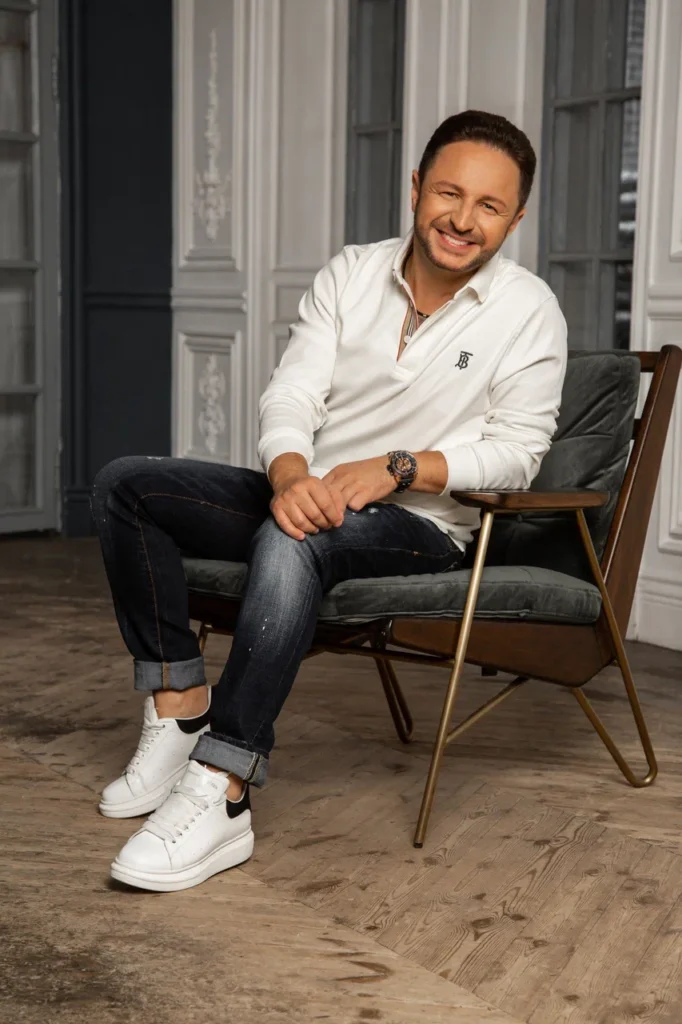 – Çətin anlarda özünüzü necə motivasiya edirdiniz?— Hər dəfə motivasiyanı müxtəlif mənbələrdən tapırdım. Xüsusilə də Almaniyada çox çətin idi. Mən Gürcüstanda doğulmuşdum, amma Avropa səhnəsinə çıxmaq arzusu ilə erkən yaşda ölkədən ayrıldım. Lakin biz şərqli insanlarıq, musiqiyə baxışımız da həmişə fərqli olur, öz üslubumuz var. Avropa səhnəsini fəth etmək isə asan deyildi.Amerikada vəziyyət tamamilə başqa idi, çünki orada rəqabət çox böyükdür. Buna baxmayaraq, məşhur bir şirkətlə müqavilə imzaladıq və işə başladıq. Təəssüf ki, 2001-ci il 11 sentyabr faciəli hadisələri bütün planları tamamilə dəyişdirdi. Mən Almaniyaya geri qayıtmalı oldum.Daha sonra “Yeni Dalğa” müsabiqəsində iştirak etdim. O zaman müsabiqə Yurmala şəhərində keçirilirdi və məhz bu, mənim həyatımda dönüş nöqtəsi oldu. Qeyd edim ki, mən o zaman yaşadığım İspaniyanı təmsil edirdim. Amma buna baxmayaraq, rusdilli auditoriya məni çox səmimi qəbul etdi. Latviyada “İlin müğənnisi” seçildim, radiolar mahnılarımı səsləndirməyə başladı və onlar çartlarda ilk yerləri tutdu.Həmin an anladım ki, mənim musiqim insanların xoşuna gəlir. Bundan sonra Moskvaya çəkilişlər və çıxışlar üçün getməyə başladım və musiqimi məhz rusdilli auditoriyaya təqdim etməyə qərar verdim.– Başqa sözlə, çətin vaxtlarda istiqaməti dəyişməkdən qorxmaq lazım deyil?— Bəli, tam olaraq belədir! Mən hər zaman özümə deyirdim: “Never give up!” (“Heç vaxt təslim olma!”). Bu, mənim həyat devizim olub. Elə günlər olub ki, 23 saat işləyirdim. Amma heç vaxt dayanmadım. – Bəs ətrafınızdakı insanlara, xüsusilə də çətinliklərlə üzləşənlərə nə tövsiyə edərdiniz?— Ən başlıcası — insan özünə inanmalıdır. Amma burada çox vacib bir məqam var. Bəziləri bir-iki il çalışır, nəticə görmədikdə isə dərhal əl çəkirlər. Halbuki əslində onların çoxu sadəcə tənbəldir. Onlara elə gəlir ki, onlar işləyirlər, amma gerçəkdə bu, kifayət etmir.Məsələn, Emin Ağalarov: mən 20 saat işləyirəmsə, o 40 saat çalışır! O, həm konsertlər verir, həm tikinti ilə məşğuldur, həm də müxtəlif layihələr həyata keçirir. Mən yalnız musiqiyə diqqətimi cəmləmişəm, amma o, tamamilə fərqli sahələrdə çalışır. Zəhmət — əsasdır. İki mahnı yazıb, uğur gözləmək olmaz. Ola bilər ki, yalnız iyirminci və ya yüzüncü mahnı hit olsun. Bu da baş verir.Əgər alınmırsa, bir müddət başqa işlə məşğul olun, təcrübə toplayın və sonra yenidən yaradıcılığa qayıdın. Çalışmaq, çalışmaq və yenə də çalışmaq — uğurun həqiqi açarı budur. Tənbəllik isə ən böyük düşməndir.– Satqınlıq barədə nə deyə bilərsiniz?— Mən çoxlu insanlarla tanış oluram və kimdənsə mənfi enerji hiss etsəm, onu həyatımda saxlamıram. Negativ bir situasiya baş versə, mən onları dərs kimi qəbul edirəm. Hətta əziyyət çəksəm də, kin saxlamıram, çünki pislik bumeranq kimi geri qayıdır. Mən sadəcə onlara “təşəkkür edirəm” deyirəm və yoluma davam edirəm.
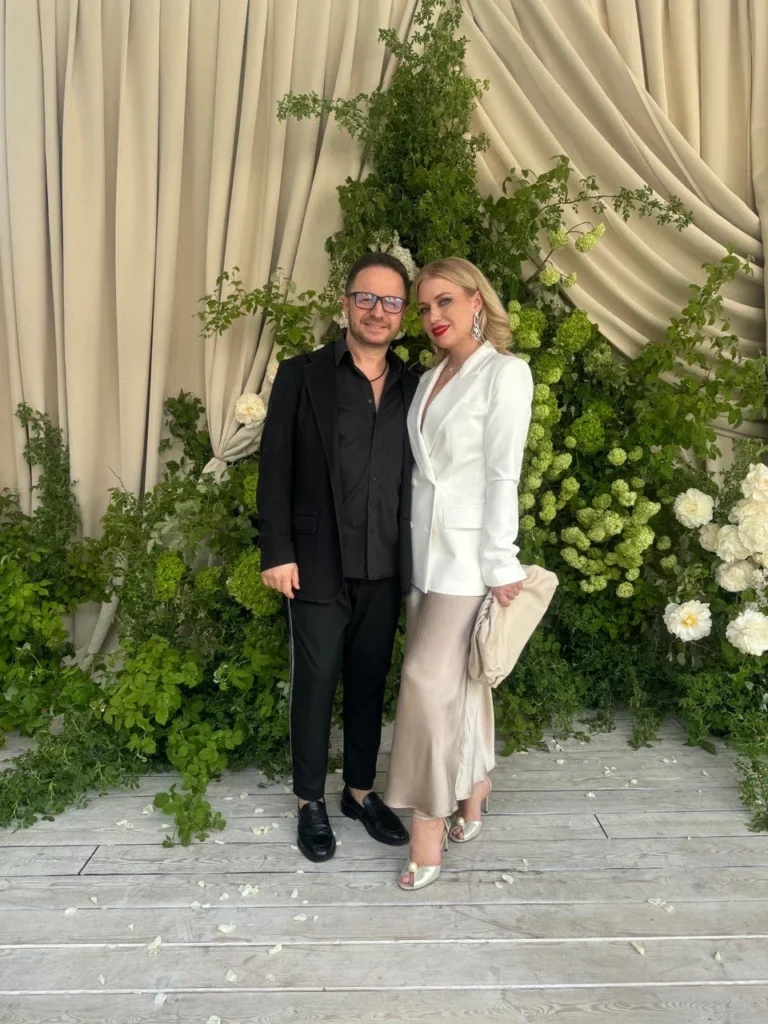 – Həyatınızdakı ən böyük şansınız nə olub? Bəxtiniz gətirdiyi məqam?— Həyat yoldaşımla tanışlığım. O, məni hələ kasıb musiqiçi olduğum vaxt qəbul etdi. Mənə sevgi göstərdi və hər cür dəstək oldu. Artıq 19 ildir ki, birlikdəyik. İndi iki gözəl övladımız var. Məncə, həyatımın ən böyük şansı və bıxti məhz budur. – Gənc musiqiçilərə nə məsləhət görərdiniz?— İndi tamam başqa dövrdür — internet əsridir. Mən başlayanda internet yox idi. İndi isə hər kəs musiqi yazır, oxuyur və paylaşır. Problem ondadır ki, hər gün minlərlə mahnı paylaşılır, və nəticədə dinləyicilər üçün seçim etmək daha çətinləşir.Mən gənclərə deyirəm: əvvəlcə sosial şəbəkələrdə izləyici qazanın — TikTok, Instagram, Facebook. Videolar çəkin, ruh və enerji ilə oxuyun. Mən indi də müxtəlif dillərdə mahnılar oxuyuram və milyonlarla baxış toplayıram. Əvvəlcə öz auditoriyanızı yaradın, sonra isə musiqinizi onlara təqdim edin. Bu, uğur üçün zəruri şərtdir. Ən azı bir sahədə peşəkar olun. Bu, yalnız sənətdə yox, həyatın bütün sahələrində vacibdir. Əgər auditoriyanız olacaqsa, musiqiniz özü yolunu tapacaq. Hətta 2000 izləyiciniz olsa belə — bu, artıq musiqinizin yayılması üçün etibarlı bazadır. O 2000 nəfərdən bir neçəsi mütləq dinləyəcək, bəyənsələr dostları ilə bölüşəcəklər. Kiçik də olsa, bu, uğurun bünövrəsidir. Başlayan ifaçılar üçün ən vacib baza — “öz” auditoriyasıdır. Bu günkü musiqi dünyası belə qurulub.– Musiqiyə və süni intellektə münasibətiniz necədir?— Çox-çox pis. İndi gənclər arasında belə bir meyl yaranıb: “Oxumağa, öyrənməyə nə ehtiyac var? Süni intellekt var axı.” Bu, böyük problemdir. İş yerləri yoxa çıxır, tezliklə heç kimə müraciət etməyə ehtiyac qalmayacaq. Hələ ki, süni intellekt mənim yerimə səhnədə oxuya bilmir — yeganə üstünlük budur. Amma artıq musiqi bəstələyir, sözlər yazır, hətta interyer dizaynı hazırlayır. Biz iş yerlərimizi itiririk. İnsanlar illərlə memarlıq oxuyurlar, amma indi hər şeyi proqram vasitəsilə etmək mümkündür. Mahnılardan danışmıram belə — proqram onları artıq yazır da, ifa edir də, və sənə ehtiyac qalmır. Biz “Terminator” filmindəki kimi robotlar dövrünə doğru gedirik, yaxın zamanda insanları əvəzləyəcəklər. Kimlər üçünsə bu rahatdır, kimlərə isə kömək edir. Amma süni intellekt həyatın ayrılmaz hissəsinə çevrilərsə və insan artıq heç nəyə ehtiyac duymasa, bəşəriyyət çox tez tənəzzül edəcək. Gənclər sadəcə internetdə oturub, iki düyməni basıb, ChatGPT ilə söhbət edirlər.Süni intellekt heç vaxt melodiyanı tam əvəz edə bilməz, çünki onda nə ruh, nə də enerji var. Dünən bir gənc mənə mahnı göndərdi, dedi ki, özü yazıb. Soruşdum ondan ki, doğrudan özün yazıb yoxsa proqramla? Cavab vermədi. Amma aydın idi ki, özü yazmamışdı. Bəstəkarlar illərlə mahnı yazır, onlara isə deyirlər: “Sənin mahnına niyə pul verim, ChatGPT-dən 10 dollara ala bilərəm.” Buna ehtiyatla yanaşmaq lazımdır. Kömək edirsə — nə yaxşı. Amma insanlara hökm etməyə başlasa — bu, artıq pisdir. İnsan enerjisi əvəzolunmazdır.
 – Doğrudan da, “Azərbaycan” mahnısı böyük sevgi ilə yazılıb. Süni intellekt belə yaza bilməz. Biz ailəlikcə tez-tez dinləyirik, gözlərimiz yaşarır. Bu, tamam başqa enerjidir. Mən də, məsələn, şeirlər yazıram. İndi hamı məsləhət görür ki, süni intellektdən istifadə edim. Onun köməyi ilə şeir, mətn, hətta mahnı da yaratmaq olar. Amma mən buna başqa cür yanaşıram. İndi isə başqa sual vermək istəyirəm. Uğur formulanız nədir?— Çalışmaq, çalışmaq və bir də çalışmaq. Heç vaxt təslim olmamaq və sevdiyin işlə məşğul olmaq. Mən, məsələn, musiqini sevirəm. İstər bir dinləyici olsun, istər on min — fərqi yoxdur. Əgər bir nəfər üçün oxuyursunuzsa, elə oxuyun ki, sanki on min nəfər qarşısındasınız. Musiqi qəlbdən gəlməlidir.Mən bilirdim ki, musiqimlə başqalarını xoşbəxt edə bilərəm. Konsertdən sonra insanlar sevinc içində gedirdilər. Mənim musiqimdə heç vaxt neqativ olmayıb. Yalnız pozitiv enerji. Mənim konsertlərim — motivasiyadır. «За любовь» (“Sevgi üçün”), «Красивая жизнь» (“Gözəl həyat”), «Ты мне не пара» (“Sən mənə yaramazsan”), «Химия» (“Kimya”), «Я всегда буду рядом» (“Həmişə yanında olacağam”) — bu mahnılar insanlara pozitiv enerji verir. Mənim Sankt-Peterburqdakı son konsertim “Motivasiya konserti” adlanırdı. Tamaşaçılar sonra yazırdılar ki, hətta bir həftə ərzində həmin sevinci yaşamağa davam ediblər. Əgər musiqi yaradırsansa, o mütləq sevinc bəxş etməlidir. Mənim fikrimcə, bu, uğura aparan əsas yoldur. – Heç elə olubmu ki, hansısa arzunuza çata bilməyəcəyinizi düşünmüsünüz?— Maraqlı sualdır. Mən artıq reallığı anlayıram. Məsələn, səksən minlik stadionu doldurmaq — bu, mənim arzumdur. Bilirəm ki, bacararam. Amma reallıqda, əgər ard-arda altı-yeddi hit buraxmırsansa, stadionu doldurmaq çətindir. Ümid var, hələ gec deyil. Amma alınmasa belə — mən artıq indi xoşbəxt insanam.Əgər az tanınmış bir insansan — adi rahat həyat yaşamaq imkanın var. Amma əgər bütün dünyada məşhursansa, Maykl Cekson kimi, heç yerə gedə bilmirsən, səni tanımadan qalmaq mümkün olmur.Bəlkə də mənim taleyim elə belədir — həm yaradıcılıqla məşğul olmaq, həm də nisbətən “sakit” həyat yaşamaq. Mən heç nəyə peşman deyiləm. Sadəcə hələ də bir arzum var — tam stadion qarşısında konsert vermək.– Böyük konsert arzusundan başqa, özünüzə nə arzulayardınız?— Sülh. Mən istəyirəm ki, bütün dünyada sülh olsun, insanlar rahatlıqla bir-birinə qonaq gedə bilsinlər. Və əlbəttə ki, ailəmin sağlamlığı — bu, ən vacibidir. Qalan hər şeyi əldə etmək olar, amma sağlamlığı alınmır.– Kişi üçün ən vacib üç xasiyyət hansılardır?— Ən əsası — kişi həqiqətən kişi olaraq qalmalıdır. Satqınlıq etməsin. Valideynlərini yad etsin, onlara hörmətlə yanaşsın, övladlarını düzgün böyütsün. Mənim üçün Qafqaz kişisinin obrazı məhz belədir. Əsas odur ki, insan insan olaraq qalsın. Əgər yaxşı insansansa, nə satqınlıq edərsən, nə də pislik.
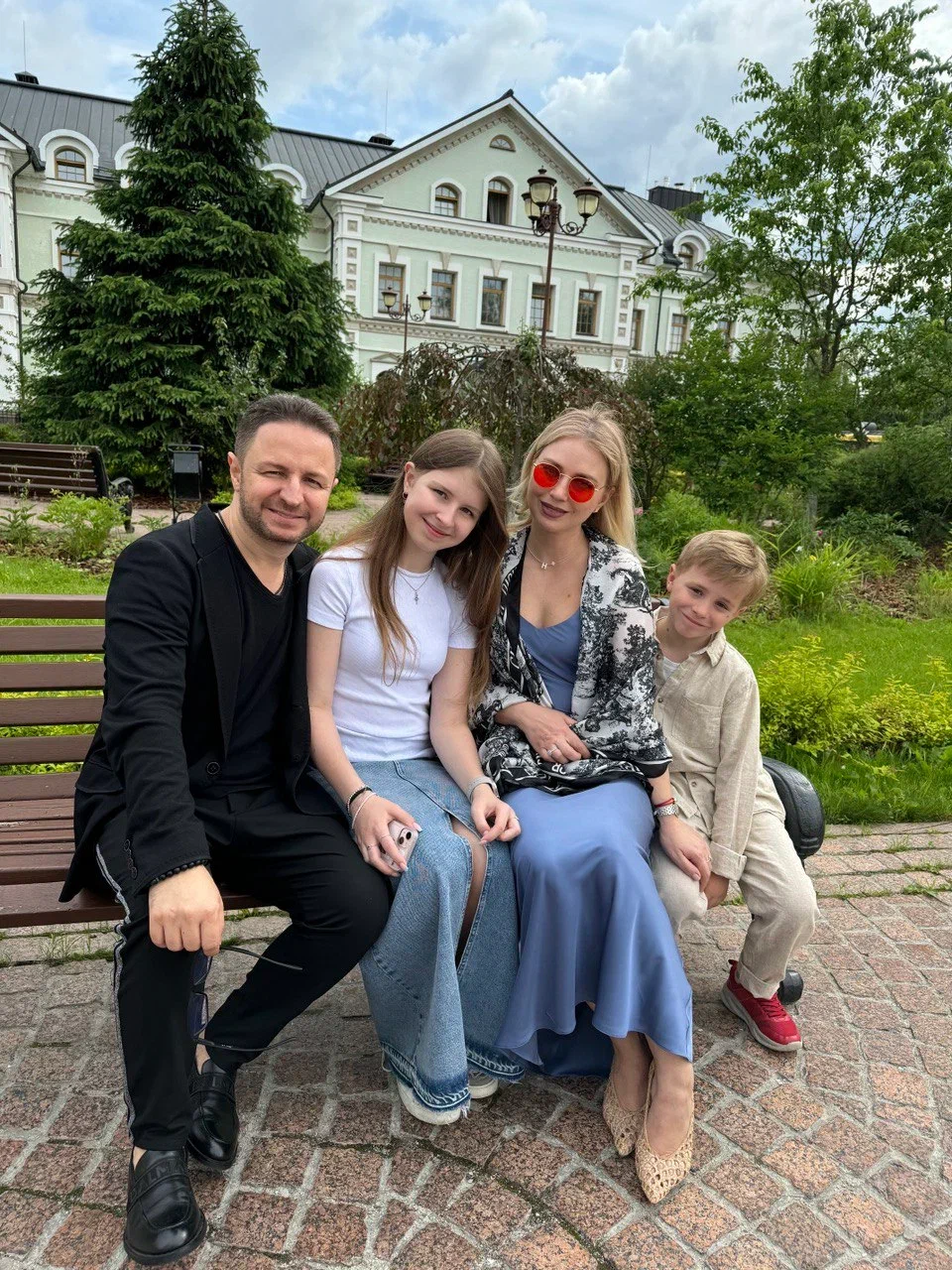 – Övladlarınızda hansı xarakter xüsusiyyətlərini formalaşdırmaq istərdiniz?— Mənim valideynlərimin mənə ötürdüyü dəyərlər: yaxşı insan olmaq və başqalarına hörmətlə yanaşmaq. Biz həyat yoldaşımla çalışırıq ki, övladlarımız tərbiyəli böyüsünlər. Müasir dövrdə bəzən kobud insanlar ön plana çıxır, amma axırda insanlar yenə də sənin reputasiyana baxır. Mənim üçün əsas odur ki, illər keçəndən sonra insanlar desinlər: “Bu, yaxşı insan idi. O, ləyaqətli həyat yaşadı.” Bu, pulla ölçülməz.İndi hər gəncə aydındır ki, internet sayəsində hər kəs savadlı ola bilər. Amma əsas məsələlərdə valideynlərinizə qulaq asmalısınız. Valideyn heç vaxt övladına pis məsləhət verməz. Mən həmişə valideynlərimə qulaq asmışam. Təsəvvür edin: uşaq konservatoriyaya hazırlaşır, imtahanlara — gündə on iki saat məşq etmək lazımdır. Amma sən on altı yaşındasan, həm qızlarla tanış olmaq, həm diskotekalara getmək, həm də dostlarla əylənmək istəyirsən. Atam mənə çox mühüm sözlər dedi, heç vaxt unutmaram: “Əgər gələcəkdə yaxşı yaşamaq istəyirsənsə — indi yaxşı hazırlaş, sonra hara istəyirsən gedərsən. Əgər gələcəkdə pis yaşamaq istəyirsənsə — indi diskotekalara get, əylən, nə qədər istəyirsən. Bu vaxtı ağılla istifadə et, qalan hər şey sonra olacaq.”Mən valideynlərimə qulaq asdım və məşq etdim. On altı yaşımda artıq konservatoriyaya qəbul olundum: o vaxt hamını 20–25 yaşında qəbul edirdilər, mən isə 16 yaşımda daxil oldum. Dörd ildən sonra caz konservatoriyasını bitirdim, diplom aldım və musiqi aranjemanla məşğul olmağa başladım, çünki valideynlərim deyirdi: “Hər kəs oxuya bilər, amma hər kəs musiqi yarada bilməz.” Elə də oldu. Ona görə valideynlərinizə qulaq asın — onlar sizə pis məsləhət verməzlər. – Əgər birdən kiminsə bəxti gətirsə və böyük məbləğ udsa, onu itirmədən necə düzgün xərcləmək olar?— Gəlin təsəvvür edək: kiminsə bəxti gətirir və o, bir milyon qazanır. Əgər insan bu milyona hazır deyilsə, onu dərhal xərcləyəcək. Çatmaq istədiyin arzuya nail olanda, pulları tez bitən lazımsız şeylərə məsuliyyətsizcə sərf etmək asandır. Ətrafında səni düzgün yönləndirəcək insanlar yoxdursa və ya varsa, amma sən onlara qulaq asmırsansa — o milyon tezliklə tükənəcək...İnsan nə etməlidir? Mənim canlı nümunəm var — Almaniyadan köhnə dostum, karyeraya birlikdə başlamışıq. Sonradan o, məşhur alman qrup ilə çoxlu hitlərlə çıxış edirdi. Onun illik gəliri təxminən bir milyon marka idi (o vaxt hələ valyuta marka idi). Pul sel kimi axırdı: o, studiya aldı, bahalı mikrofonlar, kompüterlər, avadanlıq, hətta səhmlərlə ticarət etməyə başladı. Amma nəticədə hər şey iflasa uğradı. Populyar mahnilar bitdi, qrup dağıldı, studiya gəlir gətirmədi. Onun qazancı artıq milyon yox, bir neçə min marka və ya avro idi. Ən maraqlısı odur ki, bütün investisiyalar batdı, səhmlər dəyərsizləşdi. Mən isə — hitsiz bir musiqiçi — addım-addım irəliləyirdim. Təxminən altı–yeddi ildən sonra o, mənə dedi: “Sən məndən hansısa avadanlıq ala bilərsənmi, qoy az da olsa pulum olsun?” Mən isə — hitləri olmayan musiqiçi — ondan mikrofonlar, cihazlar alırdım ki, heç olmasa nəyisə sata bilsin.Bu, düzgün olmayan investisiyanın nəticəsi. O, harada səhv etdi? Bəli, avadanlıq alanda, amma ən çox düşüncəsində. Yəqin ki, o vaxt hər şeyin sonsuz olacağını sanırdı. Amma əgər mənə indi birdən bir-iki milyon gəlsəydi, mütləq peşəkar məsləhətçiyə müraciət edərdim. Çox vacibdir ki, o insan yanımda olsun və heç vaxt məni satmasın. Özünüzü “düzgün” insanlarla əhatə edin. Əgər belə insanlar yoxdursa, hər şey dağıla bilər. Düzgün insanlar həqiqətən çox vacibdir. Bu, elə xoşbəxtlik deyilmi?Əsas məsələ — reputasiya və yaxşı insan olmaq. Sənə lazım olan — səmimi və vicdanlı peşəkar, səni düzgün istiqamətləndirən şəxsdir. Mənim fikrimcə, ən düzgün investisiya — daşınmaz əmlakdır. Səhmlər yox: onlar dəyərdən düşə bilər. Amma daşınmaz əmlak həmişə sabitdir. Əmlak aldınsa — dəyərini heç vaxt itirməz. Hətta hər şey dağılsa belə, bir gün yenidən qiymət qazanacaq.Mənim ətrafımda yalnız mənə ruhən yaxın insanlar ola bilər. Mən insanları illərlə sınayıram. Bu, çox vacibdir. Çünki çoxları məsləhət verə bilər, amma hər kəs sənə hörmətlə və vicdanla yanaşmaz. Əgər ətrafındakı insanlar illərlə sınanıbsa və sən də vicdanlı adamsansa, yanında elə insanlar qalacaq. Uğur gələndə isə bu uğur sizin ümumi uğurunuz olacaq: bu insanlar sənə məsləhət verəcəklər, çünki sənin uğurunda özlərini görürlər. Sən uğura çatanda, onlar da çatırlar.
 — “Azərbaycan” mahnısını yaradarkən nə hiss edirdiniz? Bu musiqi, bu notlar və hisslərlə birlikdə təsəvvürünüzdə hansı obraz canlandı?— Mahnının yaranma hekayəsi belədir: Emin məndən Azərbaycan Respublikasının 100 illiyinə həsr olunmuş bir mahnı yazmağımı xahiş etdi. O, mənə zəng edib, soruşdu: “Sən Azərbaycanı sevirsən, elə deyilmi?” Mən cavab verdim: “Bəli”. O dedi: “Mənə Azərbaycanın 100 illiyinə elə bir mahnı lazımdır ki, səhnəyə çıxanda qürurla ifa edə bilim. Vacibdir ki, çox gözəl olsun”. Mən də həmin an studiyada idim. Mahnı bir anda yarandı. Beş saat ərzində artıq ona sözləri və musiqini göndərirdim. Bu, qəfil “gəldi”. Mən oxumağa başladım: “Yaşa, doğma Azərbaycan, hər zaman qəlbimdə yaşa…” Necə yarandığını sizə izah edə bilmirəm. Elə həmin an – həm melodiyası, həm sözləri. Emin dedi: “Bu nədir? Bunu haradan götürdün?” Mən cavab verdim: “Sən dedin, və mən belə hiss etdim”. O dedi: “Vau! Bu, məhz bu mənə lazım idi. Gəl tamamlayıq!”. Biz birlikdə aranjemanı etdik. Mən çox xoşbəxtəm və qürur duyuram, çünki bu mahnı çoxlarının qəlbindədir. Onu məktəblərdə öyrədirlər, tədbirlərdə oxuyurlar. Mahnı insanların qəlblərində yaşayır. Bu, çox xoş bir hissdir.— “Fortuna” jurnalına nə arzulayardınız?— Sizə bu çətin işinizdə uğurlar arzulayıram. Bu gün jurnal nəşr etmək asan məsələ deyil. Və çox vacibdir ki, onu elə maraqlı materiallarla doldurasınız ki, insanlar sadəcə vərəqləməsinlər, məhz oxusunlar. Sizə uğurlar və inkişaf arzulayıram! Söhbəti apardı Səidə Musayeva, “Fortuna” jurnalının baş redaktoru
– Çətin anlarda özünüzü necə motivasiya edirdiniz?— Hər dəfə motivasiyanı müxtəlif mənbələrdən tapırdım. Xüsusilə də Almaniyada çox çətin idi. Mən Gürcüstanda doğulmuşdum, amma Avropa səhnəsinə çıxmaq arzusu ilə erkən yaşda ölkədən ayrıldım. Lakin biz şərqli insanlarıq, musiqiyə baxışımız da həmişə fərqli olur, öz üslubumuz var. Avropa səhnəsini fəth etmək isə asan deyildi.Amerikada vəziyyət tamamilə başqa idi, çünki orada rəqabət çox böyükdür. Buna baxmayaraq, məşhur bir şirkətlə müqavilə imzaladıq və işə başladıq. Təəssüf ki, 2001-ci il 11 sentyabr faciəli hadisələri bütün planları tamamilə dəyişdirdi. Mən Almaniyaya geri qayıtmalı oldum.Daha sonra “Yeni Dalğa” müsabiqəsində iştirak etdim. O zaman müsabiqə Yurmala şəhərində keçirilirdi və məhz bu, mənim həyatımda dönüş nöqtəsi oldu. Qeyd edim ki, mən o zaman yaşadığım İspaniyanı təmsil edirdim. Amma buna baxmayaraq, rusdilli auditoriya məni çox səmimi qəbul etdi. Latviyada “İlin müğənnisi” seçildim, radiolar mahnılarımı səsləndirməyə başladı və onlar çartlarda ilk yerləri tutdu.Həmin an anladım ki, mənim musiqim insanların xoşuna gəlir. Bundan sonra Moskvaya çəkilişlər və çıxışlar üçün getməyə başladım və musiqimi məhz rusdilli auditoriyaya təqdim etməyə qərar verdim.– Başqa sözlə, çətin vaxtlarda istiqaməti dəyişməkdən qorxmaq lazım deyil?— Bəli, tam olaraq belədir! Mən hər zaman özümə deyirdim: “Never give up!” (“Heç vaxt təslim olma!”). Bu, mənim həyat devizim olub. Elə günlər olub ki, 23 saat işləyirdim. Amma heç vaxt dayanmadım. – Bəs ətrafınızdakı insanlara, xüsusilə də çətinliklərlə üzləşənlərə nə tövsiyə edərdiniz?— Ən başlıcası — insan özünə inanmalıdır. Amma burada çox vacib bir məqam var. Bəziləri bir-iki il çalışır, nəticə görmədikdə isə dərhal əl çəkirlər. Halbuki əslində onların çoxu sadəcə tənbəldir. Onlara elə gəlir ki, onlar işləyirlər, amma gerçəkdə bu, kifayət etmir.Məsələn, Emin Ağalarov: mən 20 saat işləyirəmsə, o 40 saat çalışır! O, həm konsertlər verir, həm tikinti ilə məşğuldur, həm də müxtəlif layihələr həyata keçirir. Mən yalnız musiqiyə diqqətimi cəmləmişəm, amma o, tamamilə fərqli sahələrdə çalışır. Zəhmət — əsasdır. İki mahnı yazıb, uğur gözləmək olmaz. Ola bilər ki, yalnız iyirminci və ya yüzüncü mahnı hit olsun. Bu da baş verir.Əgər alınmırsa, bir müddət başqa işlə məşğul olun, təcrübə toplayın və sonra yenidən yaradıcılığa qayıdın. Çalışmaq, çalışmaq və yenə də çalışmaq — uğurun həqiqi açarı budur. Tənbəllik isə ən böyük düşməndir.– Satqınlıq barədə nə deyə bilərsiniz?— Mən çoxlu insanlarla tanış oluram və kimdənsə mənfi enerji hiss etsəm, onu həyatımda saxlamıram. Negativ bir situasiya baş versə, mən onları dərs kimi qəbul edirəm. Hətta əziyyət çəksəm də, kin saxlamıram, çünki pislik bumeranq kimi geri qayıdır. Mən sadəcə onlara “təşəkkür edirəm” deyirəm və yoluma davam edirəm.– Həyatınızdakı ən böyük şansınız nə olub? Bəxtiniz gətirdiyi məqam?— Həyat yoldaşımla tanışlığım. O, məni hələ kasıb musiqiçi olduğum vaxt qəbul etdi. Mənə sevgi göstərdi və hər cür dəstək oldu. Artıq 19 ildir ki, birlikdəyik. İndi iki gözəl övladımız var. Məncə, həyatımın ən böyük şansı və bıxti məhz budur. – Gənc musiqiçilərə nə məsləhət görərdiniz?— İndi tamam başqa dövrdür — internet əsridir. Mən başlayanda internet yox idi. İndi isə hər kəs musiqi yazır, oxuyur və paylaşır. Problem ondadır ki, hər gün minlərlə mahnı paylaşılır, və nəticədə dinləyicilər üçün seçim etmək daha çətinləşir.Mən gənclərə deyirəm: əvvəlcə sosial şəbəkələrdə izləyici qazanın — TikTok, Instagram, Facebook. Videolar çəkin, ruh və enerji ilə oxuyun. Mən indi də müxtəlif dillərdə mahnılar oxuyuram və milyonlarla baxış toplayıram. Əvvəlcə öz auditoriyanızı yaradın, sonra isə musiqinizi onlara təqdim edin. Bu, uğur üçün zəruri şərtdir. Ən azı bir sahədə peşəkar olun. Bu, yalnız sənətdə yox, həyatın bütün sahələrində vacibdir. Əgər auditoriyanız olacaqsa, musiqiniz özü yolunu tapacaq. Hətta 2000 izləyiciniz olsa belə — bu, artıq musiqinizin yayılması üçün etibarlı bazadır. O 2000 nəfərdən bir neçəsi mütləq dinləyəcək, bəyənsələr dostları ilə bölüşəcəklər. Kiçik də olsa, bu, uğurun bünövrəsidir. Başlayan ifaçılar üçün ən vacib baza — “öz” auditoriyasıdır. Bu günkü musiqi dünyası belə qurulub.– Musiqiyə və süni intellektə münasibətiniz necədir?— Çox-çox pis. İndi gənclər arasında belə bir meyl yaranıb: “Oxumağa, öyrənməyə nə ehtiyac var? Süni intellekt var axı.” Bu, böyük problemdir. İş yerləri yoxa çıxır, tezliklə heç kimə müraciət etməyə ehtiyac qalmayacaq. Hələ ki, süni intellekt mənim yerimə səhnədə oxuya bilmir — yeganə üstünlük budur. Amma artıq musiqi bəstələyir, sözlər yazır, hətta interyer dizaynı hazırlayır. Biz iş yerlərimizi itiririk. İnsanlar illərlə memarlıq oxuyurlar, amma indi hər şeyi proqram vasitəsilə etmək mümkündür. Mahnılardan danışmıram belə — proqram onları artıq yazır da, ifa edir də, və sənə ehtiyac qalmır. Biz “Terminator” filmindəki kimi robotlar dövrünə doğru gedirik, yaxın zamanda insanları əvəzləyəcəklər. Kimlər üçünsə bu rahatdır, kimlərə isə kömək edir. Amma süni intellekt həyatın ayrılmaz hissəsinə çevrilərsə və insan artıq heç nəyə ehtiyac duymasa, bəşəriyyət çox tez tənəzzül edəcək. Gənclər sadəcə internetdə oturub, iki düyməni basıb, ChatGPT ilə söhbət edirlər.Süni intellekt heç vaxt melodiyanı tam əvəz edə bilməz, çünki onda nə ruh, nə də enerji var. Dünən bir gənc mənə mahnı göndərdi, dedi ki, özü yazıb. Soruşdum ondan ki, doğrudan özün yazıb yoxsa proqramla? Cavab vermədi. Amma aydın idi ki, özü yazmamışdı. Bəstəkarlar illərlə mahnı yazır, onlara isə deyirlər: “Sənin mahnına niyə pul verim, ChatGPT-dən 10 dollara ala bilərəm.” Buna ehtiyatla yanaşmaq lazımdır. Kömək edirsə — nə yaxşı. Amma insanlara hökm etməyə başlasa — bu, artıq pisdir. İnsan enerjisi əvəzolunmazdır. – Doğrudan da, “Azərbaycan” mahnısı böyük sevgi ilə yazılıb. Süni intellekt belə yaza bilməz. Biz ailəlikcə tez-tez dinləyirik, gözlərimiz yaşarır. Bu, tamam başqa enerjidir. Mən də, məsələn, şeirlər yazıram. İndi hamı məsləhət görür ki, süni intellektdən istifadə edim. Onun köməyi ilə şeir, mətn, hətta mahnı da yaratmaq olar. Amma mən buna başqa cür yanaşıram. İndi isə başqa sual vermək istəyirəm. Uğur formulanız nədir?— Çalışmaq, çalışmaq və bir də çalışmaq. Heç vaxt təslim olmamaq və sevdiyin işlə məşğul olmaq. Mən, məsələn, musiqini sevirəm. İstər bir dinləyici olsun, istər on min — fərqi yoxdur. Əgər bir nəfər üçün oxuyursunuzsa, elə oxuyun ki, sanki on min nəfər qarşısındasınız. Musiqi qəlbdən gəlməlidir.Mən bilirdim ki, musiqimlə başqalarını xoşbəxt edə bilərəm. Konsertdən sonra insanlar sevinc içində gedirdilər. Mənim musiqimdə heç vaxt neqativ olmayıb. Yalnız pozitiv enerji. Mənim konsertlərim — motivasiyadır. «За любовь» (“Sevgi üçün”), «Красивая жизнь» (“Gözəl həyat”), «Ты мне не пара» (“Sən mənə yaramazsan”), «Химия» (“Kimya”), «Я всегда буду рядом» (“Həmişə yanında olacağam”) — bu mahnılar insanlara pozitiv enerji verir. Mənim Sankt-Peterburqdakı son konsertim “Motivasiya konserti” adlanırdı. Tamaşaçılar sonra yazırdılar ki, hətta bir həftə ərzində həmin sevinci yaşamağa davam ediblər. Əgər musiqi yaradırsansa, o mütləq sevinc bəxş etməlidir. Mənim fikrimcə, bu, uğura aparan əsas yoldur. – Heç elə olubmu ki, hansısa arzunuza çata bilməyəcəyinizi düşünmüsünüz?— Maraqlı sualdır. Mən artıq reallığı anlayıram. Məsələn, səksən minlik stadionu doldurmaq — bu, mənim arzumdur. Bilirəm ki, bacararam. Amma reallıqda, əgər ard-arda altı-yeddi hit buraxmırsansa, stadionu doldurmaq çətindir. Ümid var, hələ gec deyil. Amma alınmasa belə — mən artıq indi xoşbəxt insanam.Əgər az tanınmış bir insansan — adi rahat həyat yaşamaq imkanın var. Amma əgər bütün dünyada məşhursansa, Maykl Cekson kimi, heç yerə gedə bilmirsən, səni tanımadan qalmaq mümkün olmur.Bəlkə də mənim taleyim elə belədir — həm yaradıcılıqla məşğul olmaq, həm də nisbətən “sakit” həyat yaşamaq. Mən heç nəyə peşman deyiləm. Sadəcə hələ də bir arzum var — tam stadion qarşısında konsert vermək.– Böyük konsert arzusundan başqa, özünüzə nə arzulayardınız?— Sülh. Mən istəyirəm ki, bütün dünyada sülh olsun, insanlar rahatlıqla bir-birinə qonaq gedə bilsinlər. Və əlbəttə ki, ailəmin sağlamlığı — bu, ən vacibidir. Qalan hər şeyi əldə etmək olar, amma sağlamlığı alınmır.– Kişi üçün ən vacib üç xasiyyət hansılardır?— Ən əsası — kişi həqiqətən kişi olaraq qalmalıdır. Satqınlıq etməsin. Valideynlərini yad etsin, onlara hörmətlə yanaşsın, övladlarını düzgün böyütsün. Mənim üçün Qafqaz kişisinin obrazı məhz belədir. Əsas odur ki, insan insan olaraq qalsın. Əgər yaxşı insansansa, nə satqınlıq edərsən, nə də pislik.– Övladlarınızda hansı xarakter xüsusiyyətlərini formalaşdırmaq istərdiniz?— Mənim valideynlərimin mənə ötürdüyü dəyərlər: yaxşı insan olmaq və başqalarına hörmətlə yanaşmaq. Biz həyat yoldaşımla çalışırıq ki, övladlarımız tərbiyəli böyüsünlər. Müasir dövrdə bəzən kobud insanlar ön plana çıxır, amma axırda insanlar yenə də sənin reputasiyana baxır. Mənim üçün əsas odur ki, illər keçəndən sonra insanlar desinlər: “Bu, yaxşı insan idi. O, ləyaqətli həyat yaşadı.” Bu, pulla ölçülməz.İndi hər gəncə aydındır ki, internet sayəsində hər kəs savadlı ola bilər. Amma əsas məsələlərdə valideynlərinizə qulaq asmalısınız. Valideyn heç vaxt övladına pis məsləhət verməz. Mən həmişə valideynlərimə qulaq asmışam. Təsəvvür edin: uşaq konservatoriyaya hazırlaşır, imtahanlara — gündə on iki saat məşq etmək lazımdır. Amma sən on altı yaşındasan, həm qızlarla tanış olmaq, həm diskotekalara getmək, həm də dostlarla əylənmək istəyirsən. Atam mənə çox mühüm sözlər dedi, heç vaxt unutmaram: “Əgər gələcəkdə yaxşı yaşamaq istəyirsənsə — indi yaxşı hazırlaş, sonra hara istəyirsən gedərsən. Əgər gələcəkdə pis yaşamaq istəyirsənsə — indi diskotekalara get, əylən, nə qədər istəyirsən. Bu vaxtı ağılla istifadə et, qalan hər şey sonra olacaq.”Mən valideynlərimə qulaq asdım və məşq etdim. On altı yaşımda artıq konservatoriyaya qəbul olundum: o vaxt hamını 20–25 yaşında qəbul edirdilər, mən isə 16 yaşımda daxil oldum. Dörd ildən sonra caz konservatoriyasını bitirdim, diplom aldım və musiqi aranjemanla məşğul olmağa başladım, çünki valideynlərim deyirdi: “Hər kəs oxuya bilər, amma hər kəs musiqi yarada bilməz.” Elə də oldu. Ona görə valideynlərinizə qulaq asın — onlar sizə pis məsləhət verməzlər. – Əgər birdən kiminsə bəxti gətirsə və böyük məbləğ udsa, onu itirmədən necə düzgün xərcləmək olar?— Gəlin təsəvvür edək: kiminsə bəxti gətirir və o, bir milyon qazanır. Əgər insan bu milyona hazır deyilsə, onu dərhal xərcləyəcək. Çatmaq istədiyin arzuya nail olanda, pulları tez bitən lazımsız şeylərə məsuliyyətsizcə sərf etmək asandır. Ətrafında səni düzgün yönləndirəcək insanlar yoxdursa və ya varsa, amma sən onlara qulaq asmırsansa — o milyon tezliklə tükənəcək...İnsan nə etməlidir? Mənim canlı nümunəm var — Almaniyadan köhnə dostum, karyeraya birlikdə başlamışıq. Sonradan o, məşhur alman qrup ilə çoxlu hitlərlə çıxış edirdi. Onun illik gəliri təxminən bir milyon marka idi (o vaxt hələ valyuta marka idi). Pul sel kimi axırdı: o, studiya aldı, bahalı mikrofonlar, kompüterlər, avadanlıq, hətta səhmlərlə ticarət etməyə başladı. Amma nəticədə hər şey iflasa uğradı. Populyar mahnilar bitdi, qrup dağıldı, studiya gəlir gətirmədi. Onun qazancı artıq milyon yox, bir neçə min marka və ya avro idi. Ən maraqlısı odur ki, bütün investisiyalar batdı, səhmlər dəyərsizləşdi. Mən isə — hitsiz bir musiqiçi — addım-addım irəliləyirdim. Təxminən altı–yeddi ildən sonra o, mənə dedi: “Sən məndən hansısa avadanlıq ala bilərsənmi, qoy az da olsa pulum olsun?” Mən isə — hitləri olmayan musiqiçi — ondan mikrofonlar, cihazlar alırdım ki, heç olmasa nəyisə sata bilsin.Bu, düzgün olmayan investisiyanın nəticəsi. O, harada səhv etdi? Bəli, avadanlıq alanda, amma ən çox düşüncəsində. Yəqin ki, o vaxt hər şeyin sonsuz olacağını sanırdı. Amma əgər mənə indi birdən bir-iki milyon gəlsəydi, mütləq peşəkar məsləhətçiyə müraciət edərdim. Çox vacibdir ki, o insan yanımda olsun və heç vaxt məni satmasın. Özünüzü “düzgün” insanlarla əhatə edin. Əgər belə insanlar yoxdursa, hər şey dağıla bilər. Düzgün insanlar həqiqətən çox vacibdir. Bu, elə xoşbəxtlik deyilmi?Əsas məsələ — reputasiya və yaxşı insan olmaq. Sənə lazım olan — səmimi və vicdanlı peşəkar, səni düzgün istiqamətləndirən şəxsdir. Mənim fikrimcə, ən düzgün investisiya — daşınmaz əmlakdır. Səhmlər yox: onlar dəyərdən düşə bilər. Amma daşınmaz əmlak həmişə sabitdir. Əmlak aldınsa — dəyərini heç vaxt itirməz. Hətta hər şey dağılsa belə, bir gün yenidən qiymət qazanacaq.Mənim ətrafımda yalnız mənə ruhən yaxın insanlar ola bilər. Mən insanları illərlə sınayıram. Bu, çox vacibdir. Çünki çoxları məsləhət verə bilər, amma hər kəs sənə hörmətlə və vicdanla yanaşmaz. Əgər ətrafındakı insanlar illərlə sınanıbsa və sən də vicdanlı adamsansa, yanında elə insanlar qalacaq. Uğur gələndə isə bu uğur sizin ümumi uğurunuz olacaq: bu insanlar sənə məsləhət verəcəklər, çünki sənin uğurunda özlərini görürlər. Sən uğura çatanda, onlar da çatırlar.— “Azərbaycan” mahnısını yaradarkən nə hiss edirdiniz? Bu musiqi, bu notlar və hisslərlə birlikdə təsəvvürünüzdə hansı obraz canlandı?— Mahnının yaranma hekayəsi belədir: Emin məndən Azərbaycan Respublikasının 100 illiyinə həsr olunmuş bir mahnı yazmağımı xahiş etdi. O, mənə zəng edib, soruşdu: “Sən Azərbaycanı sevirsən, elə deyilmi?” Mən cavab verdim: “Bəli”. O dedi: “Mənə Azərbaycanın 100 illiyinə elə bir mahnı lazımdır ki, səhnəyə çıxanda qürurla ifa edə bilim. Vacibdir ki, çox gözəl olsun”. Mən də həmin an studiyada idim. Mahnı bir anda yarandı. Beş saat ərzində artıq ona sözləri və musiqini göndərirdim. Bu, qəfil “gəldi”. Mən oxumağa başladım: “Yaşa, doğma Azərbaycan, hər zaman qəlbimdə yaşa…” Necə yarandığını sizə izah edə bilmirəm. Elə həmin an – həm melodiyası, həm sözləri. Emin dedi: “Bu nədir? Bunu haradan götürdün?” Mən cavab verdim: “Sən dedin, və mən belə hiss etdim”. O dedi: “Vau! Bu, məhz bu mənə lazım idi. Gəl tamamlayıq!”. Biz birlikdə aranjemanı etdik. Mən çox xoşbəxtəm və qürur duyuram, çünki bu mahnı çoxlarının qəlbindədir. Onu məktəblərdə öyrədirlər, tədbirlərdə oxuyurlar. Mahnı insanların qəlblərində yaşayır. Bu, çox xoş bir hissdir.— “Fortuna” jurnalına nə arzulayardınız?— Sizə bu çətin işinizdə uğurlar arzulayıram. Bu gün jurnal nəşr etmək asan məsələ deyil. Və çox vacibdir ki, onu elə maraqlı materiallarla doldurasınız ki, insanlar sadəcə vərəqləməsinlər, məhz oxusunlar. Sizə uğurlar və inkişaf arzulayıram! Söhbəti apardı Səidə Musayeva, “Fortuna” jurnalının baş redaktoru